Introduction
Weddings are meant to celebrate love, commitment, family, and the beginning of a new chapter. Yet behind the flowers, music, and heartfelt vows lies a reality many couples face today: weddings are expensive.
From venue rentals and catering to photography and entertainment, the cost of hosting a wedding has risen dramatically in recent years. As a result, many couples are rethinking traditional gift-giving customs and exploring new ways to manage wedding expenses.
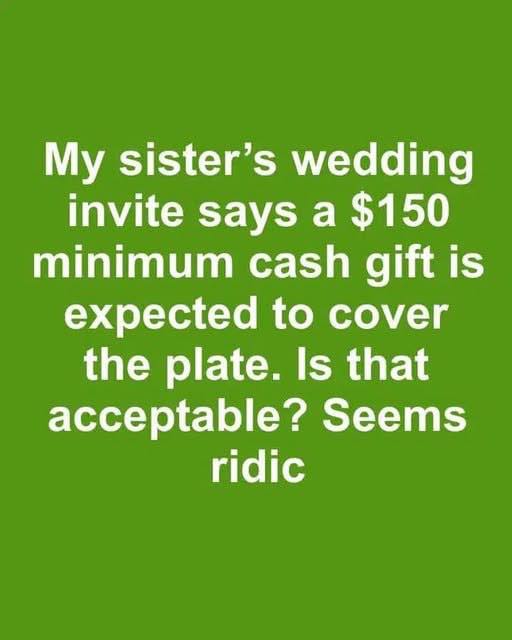
One trend generating intense debate is the practice of requesting a minimum cash gift from wedding guests. Some see it as practical and transparent, while others view it as inappropriate and contrary to traditional wedding etiquette.
So, is it rude to ask wedding guests for a minimum cash gift? The answer depends on cultural expectations, personal values, and how the request is communicated. Let’s explore both sides of this increasingly common wedding controversy.
Quick Overview
What Is a Minimum Cash Gift Request?
A request made by a couple asking wedding guests to contribute a specific minimum amount of money as a wedding gift.
Who Is This Topic For?
- Engaged couples planning a wedding
- Wedding guests
- Family members
- Event planners
- Anyone interested in wedding etiquette
Main Considerations
- Wedding etiquette
- Guest expectations
- Financial planning
- Cultural traditions
- Relationship dynamics
Difficulty Level
Easy to Understand
Time Needed
5–10 minutes to read
Why More Couples Are Asking for Cash Gifts
Modern weddings often come with significant financial pressure.
Many couples face expenses such as:
- Venue rental
- Catering services
- Wedding photography
- Floral arrangements
- Entertainment and music
- Travel costs
- Wedding attire
- Decorations
Because of these costs, many newlyweds prefer receiving cash rather than traditional household gifts.
Cash gifts can help fund:
- Wedding expenses
- A honeymoon
- A down payment on a home
- Student loan repayment
- Future financial goals
From a practical perspective, cash gifts often provide more flexibility than physical presents.
What Traditional Wedding Etiquette Says
For generations, wedding gifts have been viewed as voluntary expressions of love and support.
Traditional etiquette generally holds that gifts should be:
- Optional
- Personal
- Given freely
- Based on the guest’s circumstances
Historically, a wedding invitation was never intended to function as a financial obligation.
Instead, guests were encouraged to celebrate the couple in whatever way felt appropriate and affordable.
This principle remains the foundation of modern wedding etiquette advice.
Why Minimum Cash Gift Requests Feel Controversial
The controversy usually begins when a gift transforms from a suggestion into an expectation.
When guests see a required dollar amount on an invitation, many feel that the tone of the event changes.
Instead of feeling invited to celebrate, some guests may feel as though they have received a bill.
Critics argue that minimum cash gift requirements can make weddings feel:
- Transactional
- Commercialized
- Exclusive
- Financially pressured
- Less personal
For some guests, the emotional impact can outweigh the practical reasoning behind the request.
Understanding the “Cover Your Plate” Myth
One of the most widely discussed wedding gift concepts is the idea of “covering your plate.”
This belief suggests that guests should provide enough money to offset the cost of their attendance.
In other words, if the couple spends $150 on a guest’s meal, the guest should ideally provide a gift of equal or greater value.
However, many etiquette experts disagree with this expectation.
Key Point:
A wedding invitation is an invitation—not an invoice.
Guests are invited to celebrate the occasion, not reimburse the hosts for their expenses.
While some guests may choose to give generously, there is no universal etiquette rule requiring them to cover wedding costs.
Cultural Differences Matter
Wedding customs vary dramatically around the world.
In many cultures, cash gifts are not only accepted but expected.
For example, cash gifting is common in:
- Many Asian cultures
- Middle Eastern communities
- Mediterranean traditions
- Various European countries
In these settings, giving money often symbolizes:
- Prosperity
- Good fortune
- Support for the newlyweds
- Family blessings
Even within cultures where cash gifts are standard, however, explicitly stating a required minimum amount may still be viewed differently depending on family traditions and social norms.
Context matters.
How Guests May Feel About Minimum Gift Requirements
Not all wedding guests have the same financial circumstances.
A required minimum contribution can create stress for individuals who are:
- Students
- Recent graduates
- Single-income households
- Parents raising children
- Retirees
- Individuals facing financial hardship
Many guests report feeling:
Pressured
They worry about appearing cheap if they cannot meet expectations.
Embarrassed
Financial limitations may become a source of discomfort.
Judged
Some guests feel that their worth is being measured financially.
Uncomfortable
The focus shifts away from celebration and toward money.
In some cases, guests may decline invitations entirely to avoid awkward situations.
Why This Is Worth Discussing
Helps Couples Understand Guest Perspectives
Considering how guests may feel can improve wedding planning decisions.
Encourages Better Financial Planning
Couples can develop realistic budgets without relying on gift income.
Promotes Healthy Relationships
Open communication helps prevent misunderstandings.
Supports Better Wedding Etiquette
Understanding social expectations helps everyone feel more comfortable.
Reduces Financial Stress
Both couples and guests benefit when expectations are realistic.
Creates More Meaningful Celebrations
The focus remains on relationships rather than finances.
Financial Planning: A Better Approach for Couples
Financial advisors often recommend that couples avoid depending on wedding gifts to fund their wedding.
Instead, experts suggest:
Creating a Realistic Budget
Plan a wedding that aligns with available resources.
Prioritizing Long-Term Financial Goals
Avoid starting married life with unnecessary debt.
Setting Spending Limits
Focus on meaningful experiences rather than excessive expenses.
Treating Gifts as Bonuses
Any financial gifts received should be considered helpful extras rather than guaranteed income.
This approach typically reduces stress and disappointment.
Better Ways to Communicate Gift Preferences
There is a major difference between expressing a preference and making a demand.
Many couples successfully communicate gift preferences through:
- Wedding websites
- Registry notes
- Honeymoon funds
- First-home funds
- Charity donation options
For example:
“Your presence is the greatest gift. However, if you would like to contribute, we are saving for our future home.”
This type of wording feels appreciative and optional rather than mandatory.
Long-Term Relationship Considerations
Weddings last one day.
Relationships often last a lifetime.
A request that feels reasonable to a couple may leave a lasting impression on guests.
Maintaining goodwill with:
- Family members
- Friends
- Colleagues
- Extended relatives
is often worth more than any specific gift amount.
Many etiquette professionals suggest prioritizing relationships over short-term financial expectations.
Tips for Best Results
If you’re planning a wedding, consider these recommendations:
- Communicate gift preferences politely.
- Avoid setting mandatory minimums.
- Create a realistic wedding budget.
- Appreciate all gifts equally.
- Remember that attendance itself can be costly for guests.
- Consider cultural expectations.
- Focus on celebrating relationships rather than finances.
Common Mistakes to Avoid
Treating Gifts as Payment
Wedding gifts should not be viewed as admission fees.
Depending on Gift Money
Unexpected financial shortfalls can create stress.
Ignoring Guest Circumstances
Not all guests have the same financial resources.
Publicly Comparing Gifts
This can damage relationships and create resentment.
Setting Unrealistic Expectations
High gift expectations may discourage attendance.
Forgetting the Purpose of the Celebration
The wedding should remain focused on love and connection.
Alternatives to Minimum Cash Gift Requests
Traditional Wedding Registries
Allow guests to choose gifts within their budget.
Honeymoon Funds
Provide a modern and flexible gifting option.
Home Down Payment Funds
Popular among first-time homebuyers.
Charity Registries
Allow guests to support meaningful causes.
Experience Registries
Guests can contribute toward travel, activities, or future experiences.
Frequently Asked Questions
Is it rude to ask wedding guests for a minimum cash gift?
Many etiquette experts believe mandatory minimums can feel impolite because they create financial pressure on guests.
Is it acceptable to prefer cash gifts?
Yes. Many couples politely request cash gifts instead of physical presents.
Should guests cover the cost of their meal?
Traditional etiquette generally says no. Guests are not responsible for paying wedding expenses.
Can guests give less than the requested amount?
Ultimately, guests should only give what they can comfortably afford.
What if I can’t afford the expected gift?
A sincere gift, thoughtful card, or even your presence can still be meaningful.
Are cash gifts common today?
Yes. Cash gifts have become increasingly popular across many cultures and regions.
How can couples ask for cash politely?
Wedding websites and registry notes are often considered the most tactful methods.
Will asking for a minimum gift offend guests?
Some guests may not mind, while others may find it uncomfortable or inappropriate.
Related Topics You May Also Like
- Modern Wedding Etiquette Rules Explained
- How Much Should You Spend on a Wedding Gift?
- Wedding Budget Planning Tips for Couples
- Best Wedding Registry Ideas
- Affordable Wedding Planning Strategies
- Common Wedding Guest Etiquette Mistakes
- How to Save Money on Wedding Expenses
- Creative Alternatives to Traditional Wedding Gifts
Final Thoughts
There is nothing wrong with preferring cash gifts over traditional presents. In today’s world, many couples find financial contributions far more useful than household items they may never use.
However, asking guests for a specific minimum amount can quickly change the spirit of gift-giving from generosity to obligation.
The most memorable weddings are rarely remembered because of the amount of money exchanged. They are remembered because of the laughter, connections, love, and shared experiences that brought people together.
At its heart, a wedding is a celebration of relationships—not a financial transaction. When couples keep that principle at the center of their planning, everyone benefits.