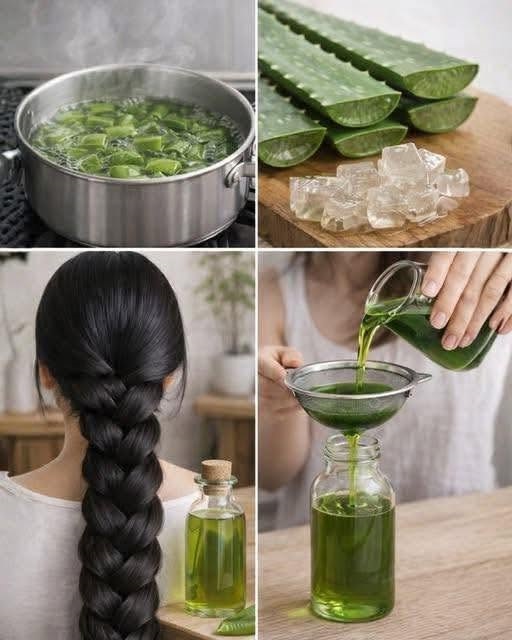
Hair shedding, thinning edges, dry scalp, and brittle strands are problems millions of people deal with every day. While there is no miracle ingredient that can instantly regrow hair, some natural remedies have been used for generations to nourish the scalp and improve overall hair health.
One of the most popular is aloe vera oil.
Known for its soothing gel and rich nutritional profile, aloe vera contains vitamins, antioxidants, enzymes, and amino acids that may help moisturize the scalp, reduce hair breakage, and support healthier-looking hair over time. When infused into a nourishing carrier oil, it becomes an easy DIY treatment that fits into almost any hair care routine.
If you’re looking for an affordable homemade hair oil that supports scalp health naturally, here’s everything you need to know.
Why Aloe Vera Is So Popular for Hair Care
For centuries, aloe vera has been used in traditional beauty routines across many cultures. Modern research suggests that aloe contains naturally occurring compounds that may help maintain a healthier scalp environment.
A healthy scalp is important because strong hair begins at the roots.
Aloe vera naturally provides:
- Vitamins A, C, and E
- Vitamin B12
- Folic acid
- Amino acids
- Enzymes
- Antioxidants
- Natural moisturizing compounds
Together, these nutrients may help protect the scalp from dryness while keeping hair soft and manageable.
Potential Benefits of Aloe Vera Hair Oil
Although aloe vera isn’t a treatment for baldness or medical hair loss, regular use may offer several cosmetic and scalp-care benefits.
1. Helps Moisturize a Dry Scalp
One of aloe vera’s biggest advantages is hydration.
A dry scalp can lead to itching, tightness, flaking, and dull-looking hair. Aloe vera helps lock in moisture without making the scalp feel greasy.
Many people notice their scalp feels calmer after consistent use.
2. Supports Healthier Hair Growth
Healthy hair starts with healthy follicles.
While aloe vera won’t force hair to grow faster overnight, maintaining a nourished scalp may help support the natural hair growth cycle.
Combined with regular scalp massage, aloe vera oil may encourage better circulation around hair follicles.
3. Helps Reduce Hair Breakage
Hair often appears thinner because it breaks before reaching its full length.
The moisturizing properties of aloe vera help improve flexibility, allowing strands to resist everyday damage from brushing, heat styling, and environmental stress.
Less breakage means hair may gradually appear fuller and longer.
4. Helps Calm Scalp Irritation
Environmental pollution, excessive washing, and harsh styling products can leave the scalp feeling irritated.
Aloe vera contains soothing plant compounds that may help relieve minor dryness and discomfort while promoting a healthier scalp barrier.
5. Adds Natural Shine
Dry hair reflects less light.
By smoothing the outer layer of the hair shaft, aloe vera oil can leave hair looking shinier, softer, and easier to style.
Ingredients You’ll Need
Making homemade aloe vera hair oil requires only a few simple ingredients.
Ingredients
- 2 fresh aloe vera leaves
- 1 cup coconut oil, olive oil, or sweet almond oil
- Small saucepan
- Fine mesh strainer or cheesecloth
- Clean glass bottle with lid
Fresh aloe vera is usually preferred because it contains fewer preservatives than commercial gels.
Step-by-Step: How to Make Aloe Vera Hair Oil
Step 1: Prepare the Aloe Vera
Wash the aloe leaves thoroughly to remove dirt.
Trim away the thorny edges and slice each leaf open.
Use a spoon to scoop out the clear gel while avoiding the yellow latex layer just beneath the skin.
Step 2: Combine with the Carrier Oil
Place the aloe vera gel into a saucepan.
Add one cup of your preferred carrier oil.
Coconut oil is a favorite because it penetrates the hair shaft well, while olive oil offers extra moisture and sweet almond oil provides a lighter finish.
Step 3: Heat Slowly
Warm the mixture over very low heat for about 20–30 minutes.
Stir occasionally.
Do not boil the mixture, as excessive heat may reduce some of aloe vera’s naturally occurring beneficial compounds.
Step 4: Strain the Oil
Allow the mixture to cool slightly.
Pour it through a fine mesh strainer or cheesecloth to remove the aloe solids.
The remaining oil should appear smooth and lightly infused.
Step 5: Store Properly
Transfer the finished oil into a clean glass bottle.
Keep it in a cool, dark place away from direct sunlight.
For best quality, use it within one month.
➡️ Part 2
⚠️ Don’t miss the rest! The full article continues on the next page 👇📖
Tap “Next Page” to see all the details, tips, and surprises waiting for you!