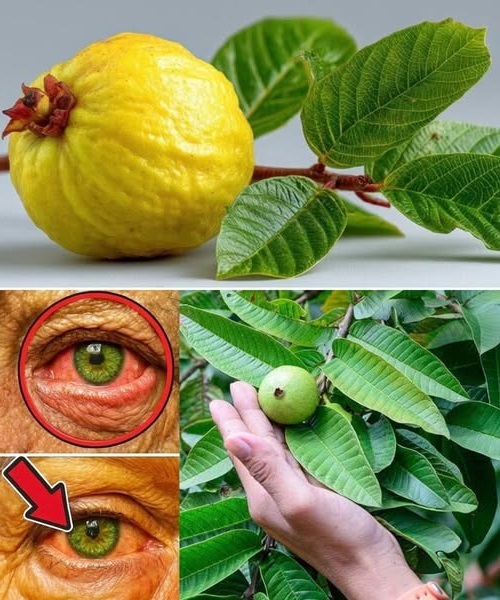
Have you ever looked at a ripe guava and wondered whether this tropical fruit could do more than satisfy your taste buds? While guava is best known for its sweet flavor and impressive nutritional value, it has also been used in traditional wellness practices for generations to support overall health—including healthy vision.
Recently, social media has been filled with claims that guava leaves can “repair eyesight,” “reverse blurry vision,” or even replace expensive eye treatments. These claims have sparked curiosity, but they often leave out an important fact.
Guava is a highly nutritious fruit that provides vitamins and antioxidants your eyes need to stay healthy. However, it is not a proven treatment for eye diseases or vision loss.
Let’s explore what science actually says about guava and eye health.
Why Is Guava Considered Good for the Eyes?
One reason guava has attracted so much attention is its impressive nutritional profile.
A single serving contains large amounts of nutrients that help support overall eye wellness, including:
- Vitamin C
- Vitamin A (in smaller amounts)
- Lycopene
- Flavonoids
- Other natural antioxidants
These nutrients help protect cells throughout the body—including delicate eye tissues—from oxidative stress caused by free radicals.
Although antioxidants cannot restore damaged eyesight, they play an important role in maintaining healthy cells as part of a balanced diet.
Vitamin C: A Powerful Antioxidant
Guava is one of the richest natural sources of vitamin C.
Vitamin C helps support the body’s production of collagen, an important structural protein found throughout the eyes.
Researchers also believe that diets rich in vitamin C may help protect eye tissues from oxidative damage associated with normal aging.
That doesn’t mean eating guava will cure cataracts or other eye conditions, but including vitamin C-rich foods in your diet can contribute to long-term eye health.
Plant Compounds That Support Wellness
Besides vitamins, guava contains several beneficial plant compounds.
These include:
- Flavonoids
- Lycopene
- Polyphenols
Scientists continue studying these natural compounds because of their antioxidant and anti-inflammatory properties.
By helping reduce oxidative stress, these nutrients may support overall cellular health throughout the body.
Can Guava Help With Tired Eyes?
Many people experience eye fatigue after spending hours looking at computers, tablets, or smartphones.
Although guava isn’t a treatment for digital eye strain, eating nutrient-rich fruits may help support overall wellness while proper habits do the rest.
To reduce eye fatigue, experts generally recommend:
- Taking regular screen breaks
- Staying hydrated
- Getting enough sleep
- Eating a balanced diet rich in fruits and vegetables
Guava fits nicely into this healthy lifestyle thanks to its vitamin and antioxidant content.
Traditional Uses of Guava Leaves
In several cultures, guava leaves have long been used in homemade herbal preparations.
Traditional practices include:
- Herbal teas
- Warm compresses
- Skin applications
- Herbal rinses
Some people also prepare cooled guava leaf infusions for use around the eyes.
However, it’s important to understand the difference between traditional practices and scientifically proven treatments.
Current research does not support using homemade guava preparations as eye drops or as a treatment for eye diseases.
The Viral Guava Leaf Compress
One traditional method involves making a cooled guava leaf infusion and placing a clean cloth over closed eyelids.
Some people say this helps them feel refreshed after a long day.
If someone chooses to try this traditional practice, the liquid should always be:
- Fully cooled
- Carefully filtered
- Applied only to closed eyelids
- Prepared using clean equipment
Homemade liquids should never be placed directly inside the eyes because doing so may introduce bacteria or other contaminants.
Safety should always come first when caring for your vision.
(Part 2 includes the safest ways to enjoy guava, a simple eye-support smoothie recipe, important safety precautions, frequently asked questions, and the final verdict.)
⚠️ Don’t miss the rest! The full article continues on the next page 👇📖
Tap “Next Page” to see all the details, tips, and surprises waiting for you!