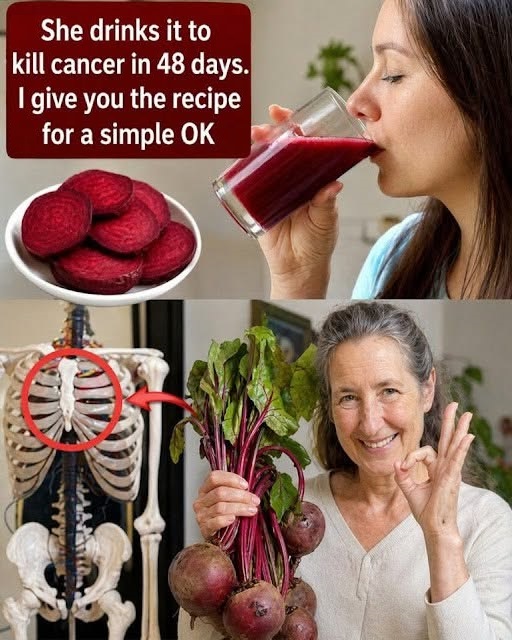
Beetroot has become one of the internet’s biggest wellness stars. Social media videos, health blogs, and fitness influencers often claim this bright purple root can detox your body, instantly boost energy, lower blood pressure overnight, improve athletic performance, and even reverse chronic health problems.
The truth is both simpler and more impressive.
Beetroot isn’t a miracle cure—but it is one of the most nutrient-dense vegetables you can easily add to your diet. Rich in natural nitrates, antioxidants, fiber, vitamins, and minerals, beetroot supports several important body functions when enjoyed as part of a balanced eating plan.
Instead of chasing exaggerated claims, it’s worth understanding what modern nutrition research actually says about beetroot, why athletes love it, and how to eat it for the greatest nutritional value.
Why Beetroot Has Become So Popular
Few vegetables have received as much attention in recent years as beetroot.
Its deep crimson color, naturally sweet flavor, and impressive nutrient profile have made it a favorite among people interested in:
- Heart health
- Healthy circulation
- Natural energy support
- Sports nutrition
- Healthy aging
- Anti-inflammatory foods
- High-antioxidant diets
Unlike many trendy “superfoods,” beetroot actually has scientific research supporting several of its benefits.
The key is understanding where the science ends—and where internet myths begin.
What Makes Beetroot So Nutritious?
Beetroot is surprisingly low in calories while providing an impressive variety of nutrients.
A single serving contains valuable amounts of:
- Dietary fiber
- Folate
- Potassium
- Vitamin C
- Manganese
- Iron (small amounts)
- Magnesium
But its most unique compounds are:
Natural Dietary Nitrates
These naturally occurring compounds help the body produce nitric oxide, an important molecule involved in healthy blood vessel function.
Betalains
These pigments give beetroot its vibrant red-purple color.
They also act as powerful antioxidants that help protect cells from oxidative stress caused by everyday metabolism and environmental factors.
Plant Polyphenols
Like many colorful vegetables, beetroot contains beneficial plant compounds associated with overall wellness and healthy aging.
Together, these nutrients make beetroot much more than just another root vegetable.
How Beetroot Supports Healthy Blood Flow
One of beetroot’s most researched health benefits involves circulation.
Here’s what happens after you eat nitrate-rich vegetables.
Step 1: Natural Nitrates Enter the Body
Beetroot naturally contains dietary nitrates.
These are different from processed nitrates sometimes found in heavily processed meats.
Vegetable nitrates are generally considered beneficial when consumed as part of a healthy diet.
Step 2: Nitric Oxide Production
Inside the body, some dietary nitrates are converted into nitric oxide.
Nitric oxide helps relax the muscles surrounding blood vessels.
As blood vessels widen slightly, circulation becomes more efficient.
Step 3: Improved Oxygen Delivery
Better circulation helps transport oxygen and nutrients throughout the body.
This is one reason athletes have become interested in beetroot juice.
Improved oxygen delivery may help muscles work more efficiently during prolonged exercise.
Although results vary between individuals, this benefit has been studied extensively in sports nutrition.
Why Athletes Drink Beetroot Juice
Professional cyclists.
Distance runners.
Swimmers.
Triathletes.
Many endurance athletes include beetroot juice as part of their pre-workout nutrition.
Research suggests dietary nitrates may help support:
- Exercise endurance
- Workout efficiency
- Oxygen utilization
- Stamina during prolonged activity
That doesn’t mean beetroot replaces proper training.
Performance still depends on:
- Regular exercise
- Good nutrition
- Recovery
- Hydration
- Sleep
- Conditioning
Beetroot simply supports some of the body’s natural physiological processes involved in endurance.
Beetroot and Heart Health
Healthy circulation is important for every organ in the body.
Because nitric oxide helps blood vessels relax, researchers have also studied beetroot’s potential role in cardiovascular wellness.
Some evidence suggests nitrate-rich vegetables may contribute to:
- Healthy blood vessel function
- Normal circulation
- Cardiovascular health
- Healthy blood pressure already within the normal range
However, beetroot should never replace:
- Prescription medication
- Medical treatment
- Professional healthcare advice
People taking medication for blood pressure should speak with their healthcare provider before regularly consuming large amounts of beetroot juice, since both may influence blood pressure.
The Biggest Beetroot Myth: “Detox”
One of the internet’s favorite claims is that beetroot “flushes toxins” from the body.
That’s an oversimplification.
Your body already has sophisticated detoxification systems, including:
- The liver
- Kidneys
- Digestive tract
- Lungs
- Skin
These organs work continuously to process waste products and maintain normal body function.
Beetroot supports good nutrition by supplying antioxidants, fiber, vitamins, and minerals—but it doesn’t magically cleanse your body.
A healthy lifestyle remains the most effective way to support your body’s natural detoxification processes.
Beetroot Is Naturally Sweet
Many people are surprised to learn that beetroot naturally contains sugar.
This isn’t necessarily a problem.
Whole beetroot also contains:
- Fiber
- Water
- Vitamins
- Minerals
These nutrients help make it a nutritious choice for most healthy adults.
Individuals managing diabetes or monitoring carbohydrate intake should simply enjoy appropriate portion sizes as recommended by their healthcare provider.
The overall quality of your diet matters much more than fearing naturally occurring sugars found in vegetables.
Coming in Part 2
In Part 2, we’ll cover:
- Why beetroot can turn urine or stool red (and why it’s usually harmless)
- The healthiest ways to eat beetroot
- Raw vs cooked vs juice vs powder
- When to eat beetroot for exercise and general wellness
- Who should limit beetroot intake
- Practical tips to maximize its nutritional benefits
⚠️ Don’t miss the rest! The full article continues on the next page 👇📖
Tap “Next Page” to see all the details, tips, and surprises waiting for you!