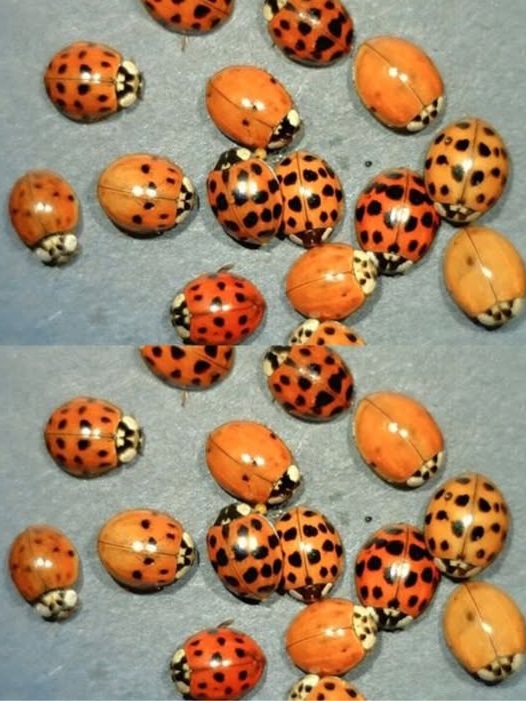
Spotting a yellow ladybug can feel like a lucky surprise. While many people associate these colorful insects with good fortune and positive energy, they’re also remarkable creatures that play an important role in organic gardening, natural pest control, and maintaining a healthy backyard ecosystem. So, what does it really mean when you see a yellow ladybug? Let’s explore the science first before diving into the symbolism in Part 2.
Why Are People So Curious About Yellow Ladybugs?
Most of us recognize the classic red ladybug with black spots.
So when a bright yellow one suddenly lands on a flower, garden plant, or even your hand, it’s easy to wonder whether you’ve discovered something unusual.
Questions people often ask include:
- Is a yellow ladybug rare?
- Is it actually a real ladybug?
- Does it bring good luck?
- Is it helpful or harmful?
- Should I leave it in my garden?
The answer may surprise you.
Not only are yellow ladybugs completely real, but they’re also among the most beneficial insects you can have around your home and garden.
Are Yellow Ladybugs Real?
Absolutely.
Yellow ladybugs belong to the Coccinellidae family—the same family as the familiar red ladybugs seen across North America, Europe, and many other parts of the world.
Scientists have identified more than 5,000 species of ladybugs worldwide, and they naturally occur in many beautiful colors, including:
- Bright red
- Orange
- Yellow
- Black
- Cream
- Pink
- Brown
- Metallic blue-gray (rare)
Their appearance depends on their species, habitat, diet, and genetics.
One of the best-known yellow species found in North America is the 14-spotted ladybug (Propylea quatuordecimpunctata), recognized by its cheerful yellow body covered with small black markings.
Some patterns are so unique they almost resemble tiny smiling faces.
Why Are Some Ladybugs Yellow?
Their bright color isn’t simply decorative.
In nature, vivid colors often serve as an important survival strategy known as aposematic coloration.
This scientific term refers to warning colors that tell predators:
“I’m probably not a good meal.”
Birds, frogs, and other animals quickly learn to avoid brightly colored insects after experiencing their unpleasant taste.
Ladybugs naturally produce defensive chemicals that make them bitter and unappealing to predators.
The yellow coloration acts like a warning sign before an attack even happens.
It’s one of nature’s smartest defense systems.
Where Does the Yellow Color Come From?
Several factors influence a ladybug’s color, including:
- Genetics
- Species
- Diet
- Environmental conditions
- Age
Certain pigments develop as the insect matures and may also be influenced by the foods it consumes.
Yellow ladybugs often feed on:
- Aphids
- Scale insects
- Plant-feeding pests
- Small soft-bodied insects
These tiny predators spend much of their lives helping gardens stay healthy.
Why Gardeners Love Yellow Ladybugs
For experienced gardeners, spotting a yellow ladybug is often excellent news.
These beneficial insects act as natural pest control without the need for harsh chemical pesticides.
A single ladybug can consume dozens of aphids in a single day.
Over its lifetime, one ladybug may eat thousands of destructive garden pests.
That’s why they’re considered one of the best allies in:
- Organic gardening
- Vegetable gardens
- Flower beds
- Fruit gardens
- Greenhouses
- Backyard landscaping
Instead of damaging plants, yellow ladybugs help protect them naturally.
Natural Pest Control at Work
Many insects feed on leaves, flowers, fruits, and vegetable plants.
Common garden pests include:
- Aphids
- Whiteflies
- Mealybugs
- Scale insects
- Spider mites
When these pests multiply, they can weaken plants by feeding on their sap and spreading plant diseases.
Fortunately, ladybugs naturally keep these pest populations under control.
This makes them an important part of eco-friendly gardening and sustainable landscaping, reducing the need for chemical insecticides while supporting a healthier outdoor environment.
A Sign of a Healthy Garden Ecosystem
Finding yellow ladybugs around your yard often suggests your garden has developed a balanced ecosystem.
Healthy gardens typically contain a variety of helpful insects, including:
- Ladybugs
- Bees
- Butterflies
- Lacewings
- Hoverflies
- Ground beetles
Together, these beneficial species help:
- Pollinate flowers
- Control harmful insects
- Improve plant health
- Support biodiversity
Rather than viewing every insect as a pest, many gardening experts encourage homeowners to create spaces where helpful insects can thrive.
Should You Remove a Yellow Ladybug?
In almost every situation, the answer is no.
Yellow ladybugs are generally harmless to people, pets, and healthy plants.
If one lands on you, there’s usually no reason for concern.
Instead, allow it to continue its journey.
Many gardeners even purchase ladybugs to release into vegetable gardens because of their impressive ability to reduce aphid populations naturally.
Protecting these beneficial insects supports:
- Organic lawn care
- Healthy landscaping
- Pollinator-friendly gardens
- Sustainable pest management
What If You Find One Inside Your Home?
It’s common to occasionally find ladybugs indoors, especially during cooler months.
Many species seek warm, sheltered places to spend the winter.
If you discover one inside:
- Gently place it in a container.
- Avoid spraying insecticides.
- Release it outdoors when temperatures are suitable.
- If it’s too cold, place it in a sheltered area near leaves, shrubs, or wood piles where it can remain protected.
Handling them carefully helps preserve these valuable members of your local ecosystem.
More Than Just a Helpful Insect
Although science explains why yellow ladybugs exist and why they’re important for healthy gardens, many cultures believe these tiny beetles represent something much deeper.
For centuries, people around the world have associated ladybugs with:
- Good luck
- Prosperity
- Protection
- New beginnings
- Happiness
- Positive change
Does a yellow ladybug carry a different meaning than a red one?
Many people believe it does.
Coming Up in Part 2
In Part 2, we’ll explore:
- The spiritual meaning of a yellow ladybug
- Does seeing one bring good luck?
- What it means if a yellow ladybug lands on you
- Yellow ladybug symbolism in different cultures
- Love, money, career, and personal growth meanings
- Common myths and superstitions
- Frequently Asked Questions about yellow ladybugs
- Final thoughts on why these tiny insects continue to fascinate people around the world
Continue to Part 2 →
⚠️ Don’t miss the rest! The full article continues on the next page 👇📖
Tap “Next Page” to see all the details, tips, and surprises waiting for you!