Introduction
Health information spreads across the internet faster than ever before.
Every day, millions of people encounter social media posts, videos, and articles promoting natural remedies that supposedly offer remarkable health benefits. Among the claims that frequently resurface online is the idea that apple seeds contain powerful compounds capable of preventing or even treating cancer.
These claims often spark curiosity because they involve something as common and accessible as an apple. Many people are surprised to learn that apple seeds contain unique natural compounds, leading some to wonder whether there might be hidden health benefits that mainstream medicine has overlooked.
At the same time, conflicting information can make it difficult to know what to believe. Some sources describe apple seeds as beneficial, while others warn about potential risks associated with their consumption.
So what does science actually say?
Understanding the facts behind apple seeds, the compounds they contain, and the research surrounding them can help separate evidence-based information from popular internet myths.
Let’s take a closer look at why apple seeds have attracted so much attention and what current research reveals about their safety and potential health effects.
Why Apple Seeds Continue to Generate Interest
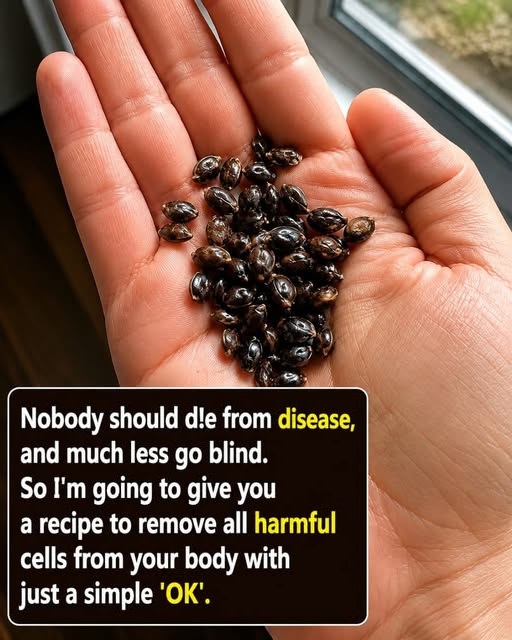
Apple seeds have become a recurring topic in health discussions because they contain a naturally occurring substance known as amygdalin.
Over the years, amygdalin has been featured in countless articles, videos, and alternative health conversations. Some online sources have suggested that compounds derived from amygdalin possess special properties that could help fight serious diseases, including cancer.
These claims are not new.
In fact, similar stories have circulated for decades and continue to reappear whenever interest in natural health remedies grows.
However, popularity does not necessarily equal scientific validity.
Medical experts consistently emphasize that health claims should be evaluated through rigorous research rather than anecdotes, testimonials, or social media trends.
What Exactly Is Amygdalin?
Amygdalin is a natural plant compound found in the seeds and pits of several fruits.
It occurs naturally in:
- Apple seeds
- Apricot kernels
- Peach pits
- Plum pits
- Cherry pits
- Bitter almonds
Plants produce this compound as part of their natural defense systems.
When amygdalin is broken down through chewing, crushing, or digestion, it can release several substances, including hydrogen cyanide.
This characteristic is one of the primary reasons apple seeds have attracted both interest and concern among researchers and health professionals.
Understanding Hydrogen Cyanide
Hydrogen cyanide is a toxic chemical compound that can be harmful when consumed in sufficient amounts.
The human body can safely process very small quantities of naturally occurring cyanide compounds found in certain foods. However, larger exposures may present health risks.
Excessive cyanide exposure can potentially cause symptoms such as:
- Headaches
- Dizziness
- Nausea
- Weakness
- Confusion
- Breathing difficulties
In severe situations, cyanide poisoning can become life-threatening.
Fortunately, the amount associated with accidentally swallowing a few apple seeds is typically extremely small.
Why Accidentally Swallowing a Few Apple Seeds Is Usually Not a Problem
Learning that apple seeds contain amygdalin often causes concern, but context matters.
Apple seeds have a tough outer shell that frequently passes through the digestive system without fully breaking down.
Because of this:
- Small accidental consumption is generally considered low risk.
- Intact seeds may release very little amygdalin.
- Most people who eat apples regularly experience no issues.
Health experts generally agree that swallowing a few whole apple seeds from time to time is unlikely to pose a significant risk for healthy individuals.
Where Did the Cancer Claims Originate?
Much of the controversy surrounding apple seeds stems from interest in amygdalin and a related substance known as laetrile.
Laetrile gained popularity during the mid-20th century as an alternative cancer therapy.
Supporters claimed that it could selectively target cancer cells while leaving healthy cells unharmed.
The theory attracted widespread attention, and products containing amygdalin-rich ingredients became increasingly popular among individuals seeking alternative approaches to cancer treatment.
As public interest grew, researchers began investigating whether these claims could be supported scientifically.
What Research Has Actually Found
Scientists have spent decades studying amygdalin and laetrile.
Laboratory Research
Some laboratory experiments have shown that amygdalin can influence cancer cells under highly controlled conditions.
While these findings may appear promising, laboratory studies represent only an early stage of scientific investigation.
Many substances show interesting effects in test tubes but fail to produce meaningful results in human patients.
Animal Research
Researchers have also examined amygdalin in animal studies.
Although some biological activity has been observed, results have generally been inconsistent and insufficient to demonstrate reliable clinical benefits.
Human Clinical Studies
Human studies provide the strongest evidence when evaluating potential treatments.
To date, clinical trials have not demonstrated reliable evidence that amygdalin or laetrile effectively treats cancer in people.
As a result, major health organizations have concluded that current evidence does not support their use as cancer therapies.
What Health Authorities Say
Numerous respected medical and scientific organizations have reviewed the available evidence regarding amygdalin and laetrile.
Their conclusions have remained largely consistent:
- No proven cancer treatment benefit has been established in humans.
- Potential risks associated with cyanide exposure remain a concern.
- Additional research would be required before therapeutic claims could be justified.
Because of these findings, amygdalin-based products are not approved as cancer treatments by many major regulatory authorities around the world.
Why These Claims Continue to Spread
Despite the lack of strong evidence, apple seed myths continue to circulate online.
Several factors contribute to their persistence.
Personal Testimonials
Individual success stories can be emotionally compelling, even when they do not represent scientific proof.
Social Media Exposure
Online algorithms often promote content that generates strong reactions, regardless of accuracy.
Interest in Natural Remedies
Many people are naturally attracted to the idea that common foods might provide simple solutions to serious health challenges.
Misinterpretation of Research
Early laboratory findings are sometimes presented as if they prove effectiveness in humans, which can create confusion.
Understanding these factors can help consumers approach health information more critically.
Are Apple Seeds Actually Nutritious?
While apple seeds themselves are not considered a significant nutritional source, apples as a whole offer numerous well-established health benefits.
Apples contain:
- Dietary fiber
- Vitamin C
- Antioxidants
- Plant compounds
- Water
Research consistently supports the role of fruits in promoting overall health and wellness.
Most of the nutritional value comes from the fruit itself rather than the seeds.
Understanding the Safety of Apple Seeds
For the vast majority of people, accidentally consuming a small number of apple seeds presents little concern.
However, experts generally advise against intentionally consuming large quantities of crushed or ground seeds.
Several factors influence risk levels:
Quantity Consumed
A few seeds differ significantly from large amounts.
Whether the Seeds Are Crushed
Chewing or crushing increases the release of amygdalin.
Body Weight
Individual size can influence how substances are metabolized.
Overall Health Status
Certain medical conditions may affect susceptibility.
Moderation remains the most practical approach.
Simple Ways to Enjoy Apples Safely
Fortunately, enjoying apples is both easy and safe.
Focus on the Fruit
The flesh provides the majority of the fruit’s nutritional benefits.
Remove the Core if Desired
Many people naturally avoid consuming seeds altogether.
Avoid Intentionally Eating Large Quantities of Seeds
There is currently no proven health advantage to doing so.
Prioritize Overall Diet Quality
Long-term wellness is influenced far more by overall dietary habits than by any single ingredient.
What Science Supports for Cancer Prevention
Although apple seeds have not been shown to prevent cancer, researchers have identified several evidence-based strategies associated with reducing cancer risk.
Eat a Nutrient-Rich Diet
A diet rich in fruits, vegetables, legumes, and whole grains supports overall health.
Maintain a Healthy Weight
Healthy weight management is associated with lower risk for several diseases.
Stay Physically Active
Regular movement contributes to long-term wellness.
Avoid Tobacco Products
Smoking remains one of the most significant preventable risk factors for cancer.
Limit Excessive Alcohol Intake
Moderation is generally recommended for overall health.
These recommendations are supported by extensive scientific research.
Frequently Asked Questions
Can apple seeds cure cancer?
No. Current scientific evidence does not support claims that apple seeds cure or treat cancer.
Is amygdalin really Vitamin B17?
Although amygdalin is sometimes marketed as “Vitamin B17,” it is not recognized as a vitamin by medical or nutritional authorities.
Are apple seeds poisonous?
Apple seeds contain compounds capable of releasing cyanide when broken down. However, accidentally swallowing a few whole seeds is generally considered low risk.
Should I stop eating apples?
Not at all. Apples remain a nutritious and healthy fruit. Concerns relate to large quantities of crushed seeds rather than the fruit itself.
Why Evidence-Based Health Information Matters
In today’s information-rich world, one of the most valuable skills is learning how to evaluate health claims critically.
Before accepting a claim, consider asking:
- Is it supported by scientific research?
- Are reputable sources involved?
- Have the findings been replicated?
- Do major health organizations agree?
Asking these questions can help protect against misinformation and support informed decision-making.
Final Thoughts
Apple seeds continue to attract attention because they contain amygdalin, a naturally occurring compound that has been associated with health claims for decades. While researchers have explored its biological properties in laboratory settings, high-quality human studies have not demonstrated reliable evidence that apple seeds or amygdalin-based products can prevent or treat cancer.
At the same time, accidentally swallowing a few whole apple seeds is generally considered low risk for healthy individuals. Concerns primarily arise when large quantities of crushed seeds are intentionally consumed, increasing exposure to cyanide-producing compounds.
The practical takeaway is simple: enjoy apples for their proven nutritional benefits, approach extraordinary health claims with caution, and rely on evidence-based information when making decisions about your health. In an age of endless online advice, understanding the science remains one of the best tools for making informed choices.
Disclaimer: This article is intended for informational and educational purposes only. It should not be considered medical advice, diagnosis, or treatment. Always consult a qualified healthcare professional regarding any health concerns or medical decisions.