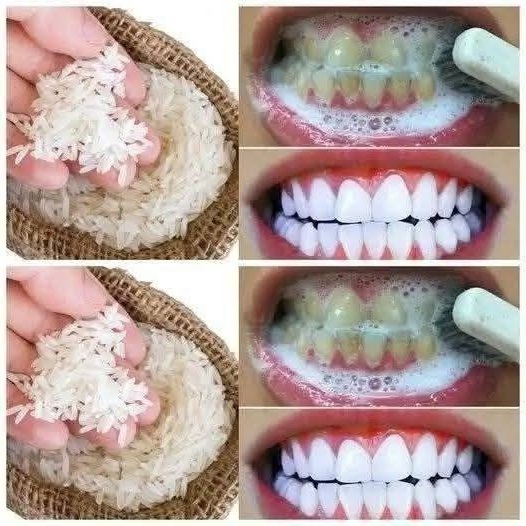
A brighter smile is something many people want, which explains why one-minute DIY teeth-whitening hacks continue to spread across social media. Many of these viral recipes promise dramatic results using simple kitchen ingredients like rice flour, lemon juice, olive oil, and toothpaste.
The appeal is obvious. The ingredients are inexpensive, easy to find, and the videos often show impressive before-and-after photos.
But can a homemade mixture really whiten your teeth in just one minute?
The answer is more complicated than many online posts suggest.
While some ingredients may temporarily remove surface stains, there is no scientific evidence that these mixtures permanently whiten teeth after a single use. In fact, repeated use of acidic or abrasive ingredients may damage tooth enamel and increase sensitivity over time.
In this article, we’ll explore what each ingredient actually does, the potential risks, safer alternatives, and what dental experts recommend for maintaining a healthy, naturally brighter smile.
Why DIY Teeth Whitening Hacks Go Viral
Quick cosmetic solutions attract millions of views because they promise instant results without expensive dental treatments.
Many viral recipes claim you only need everyday household ingredients to:
- Remove stains instantly
- Brighten yellow teeth
- Avoid costly whitening procedures
- Achieve a Hollywood smile at home
While these claims sound appealing, they often leave out important information about dental health and enamel protection.
Can Teeth Really Become White in One Minute?
Not permanently.
Professional whitening treatments work by using carefully formulated bleaching agents that penetrate the enamel and break down stain molecules over time.
A homemade mixture cannot safely reproduce this process in just a minute.
If your teeth appear brighter after using one of these recipes, the improvement is usually due to temporary removal of surface debris—not an actual change in tooth color.
The Popular DIY Mixture
Many versions of the viral recipe include:
Ingredients
- 1 teaspoon rice flour
- A few drops of fresh lemon juice
- ½ teaspoon olive oil
- A small amount of regular toothpaste
The ingredients are mixed into a paste and brushed onto the teeth for about one minute.
Before trying this approach, it’s helpful to understand what each ingredient actually contributes.
Rice Flour: A Mild Abrasive
Rice flour has a slightly gritty texture.
Because of this, it may help remove some surface buildup from the outer layer of the teeth.
Potential benefits include:
- Temporary stain removal
- Gentle polishing
- Surface cleaning
However, excessive abrasion may gradually wear away enamel if used too often.
Enamel does not grow back once it has been lost.
Lemon Juice: Fresh but Highly Acidic
Lemon juice contains citric acid.
Although acids can loosen certain surface stains, they also temporarily soften tooth enamel.
Repeated exposure may contribute to:
- Increased tooth sensitivity
- Enamel erosion
- Higher risk of cavities
- Rougher tooth surfaces
Ironically, worn enamel may eventually make teeth appear more yellow because the darker layer beneath becomes more visible.
Olive Oil: Traditional but Not a Whitening Agent
Olive oil has been used in traditional oral care routines for centuries.
Some people believe it helps loosen debris or freshen the mouth.
However, there is very little scientific evidence showing that olive oil alone whitens teeth.
Its role in these recipes is mostly to improve texture and make the paste easier to apply.
Toothpaste: Designed for Daily Cleaning
Regular toothpaste already contains ingredients developed specifically for oral hygiene.
Depending on the formula, toothpaste may help:
- Remove plaque
- Reduce surface stains
- Freshen breath
- Strengthen enamel with fluoride
- Support healthy gums
Toothpaste contributes far more to daily oral health than the homemade additions.
Why Results Often Look Dramatic Online
Social media videos can sometimes make whitening appear more dramatic than it actually is.
Several factors influence what you see:
- Bright lighting
- Camera filters
- Editing
- Moisture on freshly brushed teeth
- Temporary surface cleaning
These effects may create the impression of instant whitening even when no permanent color change has occurred.
Understanding Surface Stains vs. Deep Stains
There are two main types of tooth discoloration.
Surface Stains
These develop from:
- Coffee
- Tea
- Red wine
- Tobacco
- Dark-colored foods
Surface stains can often improve with regular brushing or professional cleanings.
Internal (Intrinsic) Stains
These occur beneath the enamel and may result from:
- Aging
- Certain medications
- Tooth injury
- Natural tooth color
Deep stains generally require professional whitening or other dental treatments.
(Continued in Part 2…)
⚠️ Don’t miss the rest! The full article continues on the next page 👇📖
Tap “Next Page” to see all the details, tips, and surprises waiting for you!