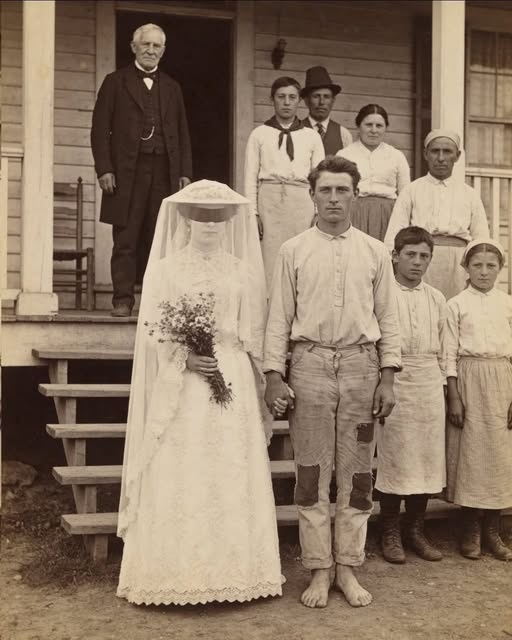
Stories like Zainab’s continue to inspire readers because they touch on universal human experiences. Most people know what it feels like to be underestimated, judged unfairly, or rejected by someone whose approval they desperately wanted.
Her journey demonstrates that self-worth cannot be defined by the opinions of others. It also reminds us that genuine love is built on respect, compassion, and understanding rather than wealth, beauty, or social status.
Readers are often drawn to stories of transformation, and few transformations are more powerful than watching someone who has been discarded by society discover their own strength. Zainab’s story is not simply about overcoming hardship. It is about learning that dignity comes from within and that happiness is possible even after years of rejection.
At the same time, Yusha’s journey reminds us that people are often more than their worst mistake. His willingness to help others despite carrying deep guilt shows how redemption can emerge through service, humility, and compassion.
Lessons We Can Learn From Zainab and Yusha
Although fictional, the story contains several meaningful lessons that resonate with readers around the world:
- True character matters more than appearance, wealth, or social standing.
- Kindness can heal wounds that pride and cruelty create.
- Every person deserves dignity, regardless of their circumstances.
- Real love is built on respect, trust, and understanding.
- Redemption is possible for those willing to face their past and move forward.
- Sometimes life’s greatest blessings arrive in the most unexpected forms.
- The opinions of others should never determine our self-worth.
Frequently Asked Questions
Is The Wedding No One Wanted based on a true story?
No. This is a fictional inspirational story created to explore themes of resilience, family rejection, forgiveness, personal growth, and unconditional love.
What is the main lesson of the story?
The central message is that a person’s worth is never determined by disability, appearance, wealth, or social status. True value comes from character, kindness, and integrity.
Why did Malik reject his daughter?
Malik was consumed by pride and concerned with public perception. His obsession with appearances prevented him from recognizing his daughter’s true value.
Why did Yusha agree to marry Zainab?
Yusha saw a reflection of his own pain in her. Both had experienced rejection and isolation, and he felt compassion for someone who understood what it meant to be treated as an outcast.
Why did Yusha hide his past?
He carried immense guilt over a tragic medical mistake and believed he no longer deserved respect or happiness. Living in isolation became his way of punishing himself.
What makes this story inspirational?
The story combines themes of resilience, redemption, forgiveness, self-discovery, and love. Both main characters overcome rejection and build a meaningful life based on compassion and mutual respect.
Did Zainab forgive her father?
The story leaves that question open to interpretation. Rather than responding with anger or revenge, she chooses dignity and allows her father to confront the consequences of his own actions.
Final Thoughts
In the end, Zainab’s greatest victory was not wealth, status, or even her father’s regret. It was discovering her own value independent of anyone else’s approval.
Her story reminds us that the people who fail to recognize our worth do not define us. Genuine love, kindness, and perseverance often accomplish what pride and power never can.
Sometimes the greatest revenge is not revenge at all—it is building a beautiful life despite everything that tried to break you.
What part of Zainab’s journey touched you the most? Would you have forgiven Malik if you were in her position? Share your thoughts in the comments below and let us know. And if this story inspired you, consider sharing it with someone who may need a reminder of their own worth.