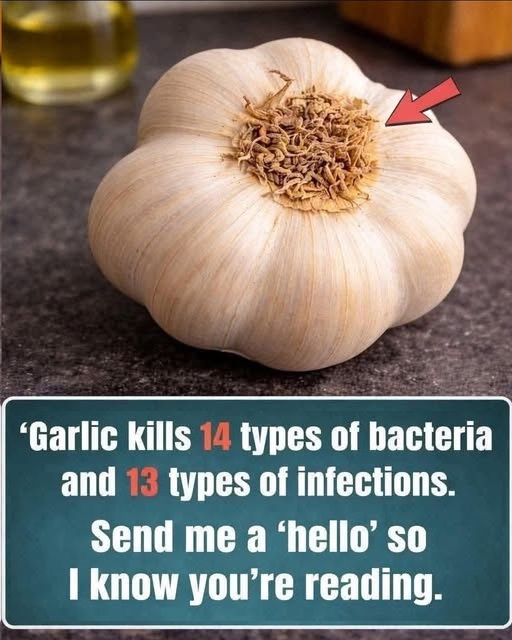
Every week, a new viral video claims that one kitchen ingredient can “clean your arteries,” “reverse aging,” “detox your liver,” or even “protect your body from every disease.”
Garlic today.
Turmeric tomorrow.
Ginger next week.
Millions of people click, share, and believe these headlines because they promise something everyone wants—a simple solution to better health.
But here’s the truth:
No single food, herb, or spice can prevent every illness or replace healthy lifestyle habits.
That doesn’t mean these ingredients are useless. In fact, many contain valuable nutrients and plant compounds supported by scientific research. The key is understanding what they can do—and what they can’t.
If you’re looking for sustainable wellness instead of internet myths, this guide explains the evidence behind some of the world’s most popular natural ingredients while helping you avoid misleading health claims.
Why “Miracle Food” Headlines Go Viral
It’s easy to understand why these stories spread so quickly.
People are searching for affordable ways to improve their health without relying solely on expensive supplements or complicated wellness routines.
Headlines such as:
- “One Spoon Cleans Your Arteries Overnight!”
- “Doctors Hate This Simple Kitchen Trick!”
- “This Spice Reverses Aging Naturally!”
are designed to trigger curiosity—not deliver accurate medical information.
Unfortunately, these exaggerated claims often ignore how the human body actually works.
Your immune system, heart, digestive tract, brain, and liver all depend on hundreds of nutrients working together—not one magical ingredient.
True wellness is built through consistency, not shortcuts.
The Difference Between Nutrition and Medical Treatment
Many herbs and spices contain beneficial compounds that support normal body functions.
However, supporting health is very different from treating disease.
For example:
- Garlic may support normal cardiovascular health as part of a balanced diet.
- Ginger may help relieve occasional nausea and support digestion.
- Turmeric contains curcumin, a natural antioxidant studied for its anti-inflammatory properties.
None of these foods should be viewed as cures for heart disease, arthritis, diabetes, cancer, or other chronic conditions.
Medical conditions require proper diagnosis and evidence-based treatment from qualified healthcare professionals.
Think of nutritious foods as one piece of a much larger wellness puzzle.
Garlic: One of Nature’s Most Studied Foods
Garlic has been used in traditional cooking and herbal practices for thousands of years.
Its popularity isn’t based only on tradition—modern research has also explored many of its naturally occurring sulfur compounds, especially allicin.
Potential Health Benefits of Garlic
Garlic may contribute to overall health by supporting:
- Healthy blood circulation
- Normal blood pressure already within a healthy range
- Heart health as part of a balanced lifestyle
- Natural immune function
- Antioxidant protection against oxidative stress
Because garlic adds rich flavor without extra sodium, it’s also an excellent ingredient for heart-conscious cooking.
Garlic Is Helpful—But It Isn’t Magic
Social media sometimes claims garlic can:
- Instantly unclog arteries
- Eliminate harmful bacteria overnight
- Cure high blood pressure
- Replace prescription medication
These claims are not supported by strong scientific evidence.
While garlic contains beneficial plant compounds, its effects are generally modest and work best alongside healthy eating, regular exercise, good sleep, and appropriate medical care.
If you take blood-thinning medication or are preparing for surgery, speak with your healthcare provider before consuming large amounts of garlic or garlic supplements.
Ginger: A Traditional Digestive Favorite
Few kitchen ingredients have earned as much global respect as fresh ginger.
Its warm, spicy flavor has made it a staple in teas, soups, stir-fries, and natural wellness traditions across many cultures.
Today, research continues to investigate ginger’s active compounds, including gingerols and shogaols, which contribute to its distinctive flavor and potential health-supporting properties.
Potential Benefits of Ginger
Ginger may help support:
- Comfortable digestion
- Occasional nausea relief
- Reduced bloating after meals
- Healthy inflammatory responses
- Overall digestive wellness
Many people enjoy ginger tea after meals or include fresh ginger in balanced recipes to add both flavor and nutritional value.
Why Healthy Habits Always Matter More
It’s tempting to believe one food can solve every health concern.
Reality is much less dramatic—but far more effective.
A nutritious meal containing vegetables, fruits, whole grains, lean proteins, healthy fats, herbs, and spices delivers hundreds of beneficial nutrients that work together.
No single ingredient can do the job alone.
That’s why healthcare professionals consistently recommend focusing on overall dietary patterns instead of chasing individual “superfoods.”
(End of Part 1 — Part 2 will cover turmeric, common myths about superfoods, practical daily wellness habits, preventive healthcare, insurance and medical cost considerations
⚠️ Don’t miss the rest! The full article continues on the next page 👇📖
Tap “Next Page” to see all the details, tips, and surprises waiting for you!