Muscle soreness after exercise, occasional joint stiffness, or feeling achy after a long day are experiences many adults know all too well. While these symptoms often become more common with age, they can also result from physical activity, poor posture, repetitive movements, or the natural wear and tear of everyday life.
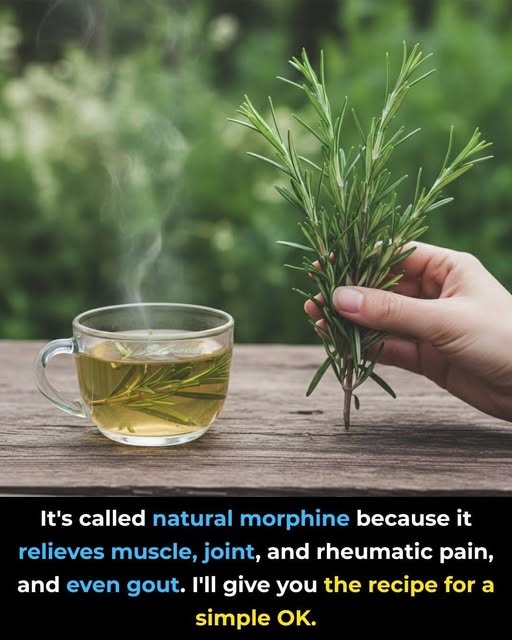
As interest in natural wellness continues to grow across the United States and the United Kingdom, many people are exploring herbs that have been used for generations to support everyday comfort. One of the most well-known is rosemary (Salvia rosmarinus, formerly Rosmarinus officinalis).
Often recognized for its fragrant aroma and culinary uses, rosemary also contains naturally occurring plant compounds that researchers have studied for their antioxidant and anti-inflammatory properties. Although some people describe rosemary as a “natural pain reliever,” it is important to understand what current scientific evidence actually shows.
Rosemary is not a substitute for prescription pain medications or professional medical care. However, when used responsibly as part of a healthy lifestyle, it may offer complementary support for muscle comfort, relaxation, and overall wellness.
In this guide, we’ll explore how rosemary works, what research suggests, and practical ways to include this versatile herb in your wellness routine.
Why Muscle and Joint Discomfort Becomes More Common With Age
As the body ages, muscles, joints, and connective tissues naturally undergo gradual changes.
Factors that may contribute to occasional discomfort include:
- Reduced muscle flexibility
- Normal joint wear over time
- Less physical activity
- Repetitive movements
- Poor posture
- Temporary muscle strain after exercise
Maintaining mobility becomes increasingly important for healthy aging because comfortable movement supports independence, cardiovascular health, weight management, and overall quality of life.
Fortunately, healthy lifestyle habits—including balanced nutrition, regular exercise, quality sleep, and preventive healthcare—can help support long-term musculoskeletal wellness.
What Makes Rosemary Special?
Rosemary has been valued in Mediterranean cooking and traditional herbal practices for centuries.
Its leaves contain a variety of naturally occurring compounds that continue to attract scientific interest.
Among the best-known are:
Rosmarinic Acid
Rosmarinic acid is a powerful antioxidant found in rosemary and several other herbs.
Researchers continue studying its role in helping protect healthy cells from oxidative stress, a natural process associated with aging and normal metabolism.
Carnosic Acid and Carnosol
These unique plant compounds are being investigated for their antioxidant activity and their ability to support the body’s normal inflammatory response.
Although laboratory studies are encouraging, more human clinical research is needed before firm conclusions can be made.
Essential Oils
Rosemary naturally contains aromatic compounds such as:
- Camphor
- 1,8-cineole
- Borneol
These contribute to rosemary’s distinctive scent and are commonly found in massage oils, creams, and aromatherapy products.
Can Rosemary Help Support Muscle Comfort?
Modern research suggests rosemary contains compounds that may support normal inflammatory processes and provide mild comfort for tired muscles.
However, it is important to set realistic expectations.
Unlike prescription medications, rosemary does not work by blocking pain signals in the brain. Instead, scientists believe some of its plant compounds may help support the body’s natural response to everyday physical stress.
Some people enjoy rosemary after:
- Exercise
- Gardening
- Long walks
- Household chores
- Extended periods of standing
Whether consumed in food, brewed as tea, or used in topical preparations, rosemary may complement an overall wellness routine—but it should never replace professional medical treatment for ongoing pain.
Understanding the Role of Antioxidants
Every day, our bodies produce unstable molecules known as free radicals through normal metabolic processes.
Factors such as aging, environmental pollution, smoking, and poor dietary habits may increase oxidative stress over time.
Antioxidants found in herbs, vegetables, fruits, and whole foods help protect healthy cells from this natural process.
Rosemary is particularly rich in antioxidant compounds, making it a valuable addition to a balanced diet focused on:
- Healthy aging
- Cardiovascular health
- Immune support
- Overall wellness
- Nutrition
Although antioxidants support general health, they should not be viewed as treatments for specific medical conditions.
Traditional Uses of Rosemary
For generations, rosemary has been used in traditional herbal practices for temporary relief of mild everyday discomfort.
Historically, people have used rosemary to support:
- Occasional muscle soreness
- Minor joint stiffness
- Relaxation after physical activity
- General muscle fatigue
- Aromatherapy for stress relief
- A warming massage experience
While these traditional uses remain popular today, modern clinical evidence in humans is still developing.
Researchers continue investigating rosemary’s potential health benefits through carefully designed studies.
More Than Pain Relief: Additional Wellness Benefits
Beyond muscle comfort, rosemary has attracted attention for several other potential wellness benefits.
Preliminary research suggests rosemary may contribute to:
- Antioxidant support
- Healthy digestion
- Cognitive wellness
- Healthy circulation as part of an active lifestyle
- General relaxation through aromatherapy
These potential benefits remain areas of ongoing research, and more high-quality human studies are needed before definitive conclusions can be drawn.
Coming Up in Part 2…
Understanding rosemary’s natural compounds is only the beginning. In Part 2, you’ll discover practical ways to use rosemary safely, learn how to prepare a soothing rosemary tea and herbal bath, explore common questions about rosemary oil and supplements, understand important safety precautions, and find out when muscle or joint pain should be evaluated by a healthcare provider instead of managed at home.
⚠️ Don’t miss the rest! The full article continues on the next page 👇📖
Tap “Next Page” to see all the details, tips, and surprises waiting for you!