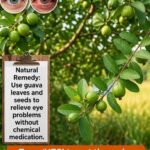
Blurry vision after a long day? Dry, irritated eyes from staring at screens? It’s no surprise that many people are searching for natural ways to support healthy vision. Among the latest wellness trends, guava and even guava leaf tea have gained attention for their potential eye-health benefits.
But how much of the hype is backed by science?
The answer is surprisingly balanced. While guava is not a cure for vision problems or eye diseases, it is packed with nutrients that help support overall eye health. Rich in vitamin C, antioxidants, carotenoids, fiber, and beneficial plant compounds, guava can be a smart addition to a healthy diet that nourishes your eyes from the inside out.
Instead of believing exaggerated online claims, let’s explore what research actually says about guava, why its nutrients matter, and how this tropical fruit fits into a healthy lifestyle for long-term vision support.
Why Eye Nutrition Matters More Than Ever
Your eyes work nonstop every day.
Whether you’re:
- Working on a computer
- Reading books
- Driving at night
- Watching television
- Using a smartphone
- Spending time outdoors
your eyes are constantly exposed to light, environmental pollutants, and natural aging.
Over time, these everyday stressors can contribute to:
- Eye fatigue
- Dryness
- Temporary blurry vision
- Visual discomfort
- Oxidative stress
While nutrition cannot prevent every eye condition, eating a variety of nutrient-rich foods helps provide the vitamins and antioxidants your eyes need to function normally throughout life.
What Makes Guava a Nutritional Powerhouse?
Guava is one of the most nutrient-dense tropical fruits available.
Despite being naturally low in calories, it provides an impressive combination of nutrients, including:
- Vitamin C
- Dietary fiber
- Potassium
- Folate
- Carotenoids
- Lycopene (especially in pink varieties)
- Flavonoids
- Polyphenols
- Natural antioxidants
Together, these nutrients support overall wellness and help protect cells from oxidative stress associated with normal aging.
Rather than acting as a miracle food, guava contributes to a balanced eating pattern that benefits the entire body—including the eyes.
Vitamin A and Healthy Vision
One reason guava is often associated with eye health is its content of carotenoids.
Depending on the variety, guava contains natural pigments that the body can convert into vitamin A.
Vitamin A plays several essential roles in maintaining healthy vision.
It helps support:
- Normal eyesight
- Healthy retinal function
- Adaptation to low-light conditions
- Maintenance of the eye’s surface
A deficiency in vitamin A can negatively affect vision, particularly night vision.
Although guava isn’t the richest source of vitamin A, it contributes valuable carotenoids that complement other vitamin A–rich foods such as carrots, spinach, sweet potatoes, and leafy green vegetables.
Vitamin C: One of Guava’s Greatest Strengths
Perhaps guava’s most impressive nutritional feature is its exceptionally high vitamin C content.
In fact, a single guava often provides more vitamin C than many citrus fruits.
Vitamin C supports the body by helping:
- Maintain healthy connective tissues
- Support collagen production
- Protect cells from oxidative stress
- Maintain healthy blood vessels
- Support immune function
Healthy circulation is important because tiny blood vessels deliver oxygen and nutrients to delicate tissues throughout the eye.
Although vitamin C alone won’t improve eyesight, it contributes to the overall health of the tissues that support normal vision.
Powerful Antioxidants That Help Protect Eye Cells
Every day, your eyes encounter oxidative stress caused by:
- Sunlight
- UV radiation
- Pollution
- Aging
- Smoking
- Everyday metabolism
Guava naturally contains antioxidants such as:
- Vitamin C
- Lycopene
- Flavonoids
- Polyphenols
- Carotenoids
These compounds help neutralize free radicals that can damage healthy cells over time.
Scientists continue studying how antioxidant-rich diets support healthy aging, and colorful fruits like guava play an important role in that research.
Can Guava Improve Your Vision?
This is where many internet articles become misleading.
Current scientific evidence does not show that eating guava can:
- Restore lost eyesight
- Eliminate the need for glasses
- Cure cataracts
- Reverse glaucoma
- Treat age-related eye disease
However, consuming guava regularly as part of a balanced diet helps provide nutrients that support your body’s normal functions, including those involved in maintaining healthy eyes.
Think of guava as one healthy piece of a much larger lifestyle puzzle.
Does Guava Help with Eye Fatigue?
After hours of screen time, many people experience:
- Tired eyes
- Dryness
- Mild irritation
- Temporary blurred vision
- Difficulty focusing
These symptoms are commonly linked to digital eye strain.
Although guava contains nutrients that support overall health, there is no strong clinical evidence that eating guava or drinking guava tea directly relieves eye fatigue.
The best-supported strategies remain:
- Taking regular screen breaks
- Staying hydrated
- Blinking frequently
- Getting enough sleep
- Eating a nutrient-rich diet
Guava fits well into that healthy routine—but it isn’t a quick fix.
Guava Leaf Tea: What Does the Science Say?
Guava leaf tea has been used traditionally in many cultures for general wellness.
The leaves contain natural plant compounds, including:
- Flavonoids
- Polyphenols
- Tannins
- Antioxidants
Researchers have studied guava leaves for several potential health properties, but there is currently very limited evidence that drinking guava leaf tea improves vision or treats eye problems.
Likewise, homemade guava leaf preparations should never be placed directly into the eyes, as they have not been proven safe or effective for eye care.
Enjoy guava leaf tea as a beverage if you like its flavor, but don’t expect it to replace proper eye care or medical treatment.
Coming in Part 2
In Part 2, we’ll explore:
- The possible role of lycopene and carotenoids in healthy aging
- The best ways to eat guava for maximum nutrition
- Other foods that naturally support eye health
- Lifestyle habits that protect your vision
- Common myths about guava and eyesight
- Frequently asked questions
⚠️ Don’t miss the rest! The full article continues on the next page 👇📖
Tap “Next Page” to see all the details, tips, and surprises waiting for you!