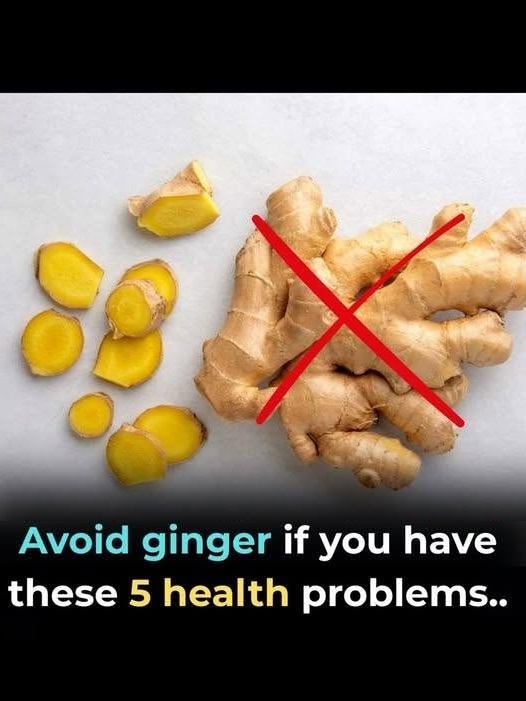
Ginger is one of the most popular natural ingredients in the world. For centuries, people have used it in traditional wellness practices to support digestion, reduce nausea, and add flavor to foods and beverages. Today, ginger can be found in herbal teas, dietary supplements, wellness drinks, and countless recipes.
Many people consider ginger a healthy addition to their daily routine because it contains natural plant compounds that have been widely studied for their potential health-supporting properties.
However, despite its popularity, ginger is not the right choice for everyone.
Certain medical conditions and medications may increase the risk of unwanted side effects when ginger is consumed regularly or in large amounts. Understanding these potential concerns can help individuals make informed decisions about their health and wellness routines.
Why Ginger May Not Be Suitable for Everyone
Ginger contains several biologically active compounds, including gingerol and related substances that may influence circulation, digestion, and other bodily functions.
While these effects may be beneficial for many people, they can sometimes create complications for individuals with specific health conditions.
Healthcare professionals often recommend caution when introducing herbal products, supplements, or natural remedies into a routine, especially when chronic illnesses or prescription medications are involved.
Let’s look at some situations where extra care may be needed.
1. People With Bleeding Disorders
One of the most commonly discussed concerns involves blood clotting.
Research has shown that ginger contains natural compounds that may affect how blood platelets function. Because of this, individuals with bleeding disorders should speak with a healthcare provider before consuming large amounts of ginger.
Examples of bleeding-related conditions may include:
- Hemophilia
- Von Willebrand disease
- Other clotting disorders
People living with these conditions already face challenges related to normal blood clotting. Adding substances that may further influence this process could potentially increase certain risks.
Symptoms that may require medical attention include:
- Frequent nosebleeds
- Easy bruising
- Prolonged bleeding after injuries
- Excessive bleeding after dental work or surgery
Even ginger tea, concentrated ginger supplements, or large amounts of fresh ginger may not be appropriate for every individual.
2. Individuals Taking Blood-Thinning Medications
Another group that should exercise caution includes people using prescription medications that affect blood clotting.
Common examples include:
- Warfarin
- Aspirin
- Clopidogrel
- Heparin
- Certain newer anticoagulant medications
Because both medications and ginger may influence clotting mechanisms, combining them without medical guidance could increase the risk of bleeding complications.
The level of risk varies from person to person and depends on factors such as:
- Medication dosage
- Overall health status
- Medical history
- Amount of ginger consumed
This is why healthcare professionals often recommend discussing herbal products with a doctor or pharmacist before use.
Why Natural Doesn’t Always Mean Risk-Free
Many people assume that because a product comes from nature, it must automatically be safe.
In reality, natural products can still interact with medications and medical conditions.
Herbal ingredients, supplements, and wellness products may affect:
- Blood pressure
- Blood sugar
- Digestion
- Liver function
- Medication effectiveness
Being informed about these interactions helps protect your health while still allowing you to enjoy natural foods responsibly.
In Part 2, we’ll explore three additional health conditions where ginger may require extra caution, along with important safety tips and healthier alternatives to consider.
⚠️ Don’t miss the rest! The full article continues on the next page 👇📖
Tap “Next Page” to see all the details, tips, and surprises waiting for you!