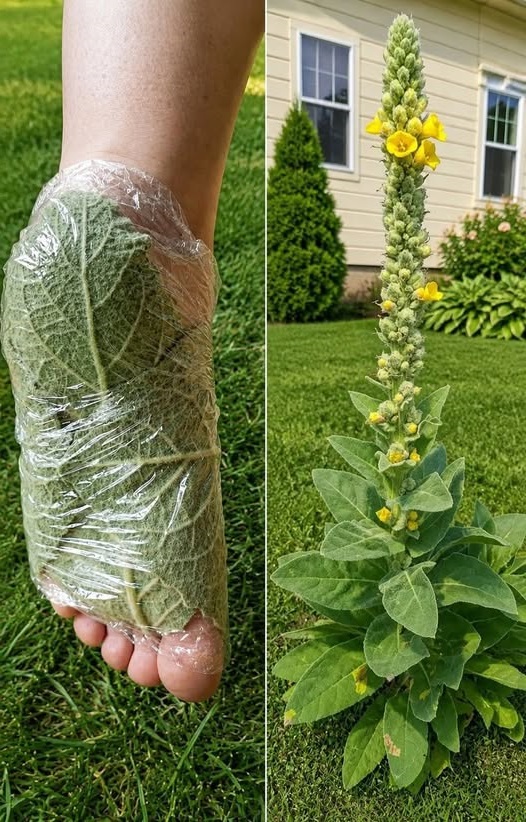
Have you ever walked past a common wild plant without realizing it has been valued in traditional herbal practices for generations? One plant that often grows unnoticed along roadsides, fields, gardens, and open spaces is mullein (Verbascum thapsus). Recognized by its soft, velvety leaves and tall stalk covered with bright yellow flowers, mullein has become one of the most discussed herbs in natural wellness circles.
Many people dismiss mullein as just another weed. However, herbal enthusiasts, gardeners, and those interested in traditional herbal medicine have appreciated this plant for centuries. Today, mullein continues to attract attention because of its connection to herbal teas, respiratory wellness traditions, and natural lifestyle practices.
As interest in herbal remedies and plant-based wellness continues to grow, more people are searching for information about mullein tea benefits, traditional uses, and what modern science actually says about this fascinating herb.
What Is Mullein?
Mullein is a biennial plant native to parts of Europe, Asia, and North Africa. Over time, it spread to many regions around the world and can now be found growing naturally in numerous climates.
During its first year, mullein forms a rosette of large fuzzy leaves that stay close to the ground. These leaves are covered with tiny hairs that give them their characteristic soft texture.
In the second year, the plant produces a tall flowering stalk that can reach several feet in height. The stalk becomes covered with clusters of bright yellow flowers, making it easy to identify from a distance.
Because of its unique appearance and ability to grow in poor soil conditions, mullein has become one of the most recognizable wild herbs in many countries.
Why Is Mullein So Popular?
Mullein has earned a place in traditional herbal culture because of its long history of use in various herbal preparations.
For generations, people have prepared:
- Herbal teas
- Herbal infusions
- Steam preparations
- Traditional oils
- Compresses and poultices
Its popularity comes primarily from historical and traditional uses rather than from extraordinary health claims often seen online.
Today, many individuals interested in holistic health and natural wellness enjoy learning about plants like mullein because they offer a connection to centuries-old herbal traditions.
Traditional Mullein Tea Benefits
One of the most common ways people use mullein is by preparing an herbal tea from its dried leaves.
For generations, mullein tea has been included in traditional wellness routines and herbal practices. Many people enjoy the tea because of its mild taste and its role in herbal culture.
While modern research continues to examine many medicinal plants, it is important to understand that traditional use does not automatically mean scientifically proven effectiveness.
Nevertheless, mullein tea remains one of the most widely consumed herbal beverages among those interested in natural wellness and plant-based lifestyles.
Mullein and Respiratory Wellness Traditions
One reason mullein is frequently discussed is its historical association with respiratory wellness traditions.
For centuries, herbal practitioners have included mullein in preparations intended to support general respiratory comfort. Because of this historical connection, mullein is often mentioned alongside other herbs commonly used in traditional herbal medicine.
However, consumers should remember that traditional use and scientific proof are not always the same thing. While mullein remains popular within herbal culture, it should not be viewed as a replacement for professional medical care or evidence-based treatments.
Understanding this distinction helps people make informed decisions while exploring natural wellness options.
The Viral Leaf-on-the-Foot Trend
In recent years, social media has helped spread numerous herbal trends involving mullein leaves.
One of the most popular claims suggests wrapping mullein leaves around the feet overnight using plastic wrap. Videos often claim that this process can “pull toxins” from the body while sleeping.
These videos have attracted millions of views, but there is an important fact that often gets overlooked.
Currently, there is no scientific evidence showing that placing mullein leaves on the feet removes toxins from the body.
The human body already has highly effective systems responsible for processing and removing waste.
These include:
- The liver
- The kidneys
- The digestive system
- The lungs
No herbal wrap has been scientifically proven to replace these natural biological processes.
This is why health experts encourage people to approach viral wellness claims with caution and to rely on evidence-based information whenever possible.
Mullein and Modern Wellness Trends
Interest in natural wellness products continues to grow worldwide. More people are exploring herbal teas, medicinal plants, natural supplements, and holistic health practices as part of a balanced lifestyle.
Mullein frequently appears in discussions about herbal remedies because of its long history and recognizable appearance. Many wellness enthusiasts enjoy learning about herbs not only for their traditional uses but also for their cultural significance and botanical value.
As the wellness industry continues expanding, plants like mullein remain popular topics among people seeking natural lifestyle inspiration.
Continue to Part 2 for traditional mullein tea preparation, safety considerations, frequently asked questions, and what you should know before using this popular herbal plant.
⚠️ Don’t miss the rest! The full article continues on the next page 👇📖
Tap “Next Page” to see all the details, tips, and surprises waiting for you!