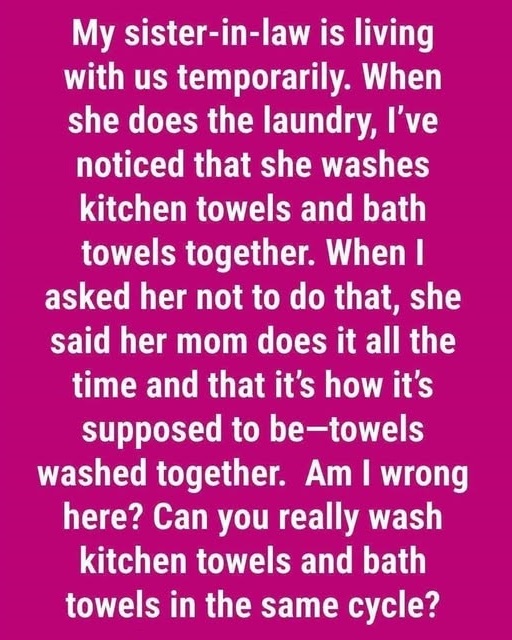
Mixing kitchen towels and bath towels in the same laundry load may seem like a smart way to save time and energy, but it can actually spread bacteria, reduce towel lifespan, and leave your linens less hygienic.
Many people assume that because both items are towels, they belong in the same washing machine cycle. However, laundry experts generally recommend washing them separately because each type of towel collects different contaminants and requires different care.
If you have ever wondered whether it’s safe to wash kitchen towels with bath towels, here’s everything you should know before your next laundry day.
Why Washing Kitchen Towels and Bath Towels Together Isn’t Recommended
At first glance, washing everything together seems convenient. It saves water, detergent, and time.
The problem is that kitchen towels and bath towels serve completely different purposes, which means they collect different kinds of dirt, oils, and bacteria.
While your bath towel mainly dries clean skin after a shower, your kitchen towel may wipe countertops, dishes, greasy hands, spills, vegetables, and sometimes even raw meat juices.
Because of this difference, combining them can increase the risk of cross-contamination.
Kitchen Towels Can Carry More Harmful Germs
Kitchen towels are among the hardest-working fabrics inside any home.
Throughout the day they often come into contact with:
- Raw meat juices
- Food particles
- Grease
- Moisture
- Kitchen counters
- Dirty hands
These conditions can allow bacteria such as:
- Salmonella
- E. coli
- Staphylococcus
to survive on the fabric if towels are not washed properly.
Even towels that look perfectly clean can contain microorganisms that are invisible to the eye.
For this reason, kitchen towels usually require hotter water and more frequent washing than most other household fabrics.
Bath Towels Collect Different Types of Bacteria
Bath towels aren’t sterile either.
After every shower they absorb:
- Dead skin cells
- Natural body oils
- Sweat
- Moisture
Bathrooms also tend to stay humid, creating an environment where mildew and mold may develop if towels remain damp for long periods.
Although these microorganisms differ from food-related bacteria, they still make bath towels something you generally don’t want mixed with items used for preparing meals.
Keeping the two types of towels separate helps maintain better household hygiene.
Cross-Contamination Is the Biggest Concern
The primary reason laundry professionals recommend separate loads is simple:
You don’t want kitchen bacteria ending up on bath towels—or bathroom microbes ending up on towels used around food.
Even though detergent removes much of the dirt, washing different towel types together can still allow bacteria and contaminants to move between fabrics during the wash cycle.
For households with children, seniors, or anyone with a weakened immune system, reducing unnecessary cross-contamination is especially important.
Different Washing Temperatures Matter
Another reason to separate these towels is that they usually require different washing temperatures.
Kitchen Towels
Kitchen towels are generally best washed in hot water because higher temperatures help remove grease while improving sanitation.
Hot water is especially useful after towels have been used around food preparation.
Bath Towels
Bath towels usually perform best in warm water.
Warm temperatures clean effectively while helping preserve the softness, absorbency, and fibers of the fabric over time.
If bath towels are repeatedly washed in very hot water, they may become rougher and wear out more quickly.
One Wash Cycle Forces You to Compromise
When both towel types are washed together, you’re forced to choose between two imperfect options.
If you select warm water, your kitchen towels may not receive the higher-temperature cleaning many people prefer for food-related fabrics.
If you choose hot water, your bath towels may experience additional wear over repeated washes.
Keeping separate loads allows each type of towel to receive the care it was designed for.
Heavy-Duty vs. Gentle Laundry Care
Another overlooked difference involves detergent selection.
Kitchen towels often benefit from stronger detergents that help remove:
- Cooking oils
- Grease stains
- Food residue
- Tough everyday messes
Bath towels, however, generally stay softer when washed with a gentler detergent that protects the fabric without excessive chemical buildup.
Using one laundry routine for both items isn’t always ideal because their cleaning needs are different.
⚠️ Don’t miss the rest! The full article continues on the next page 👇📖
Tap “Next Page” to see all the details, tips, and surprises waiting for you!