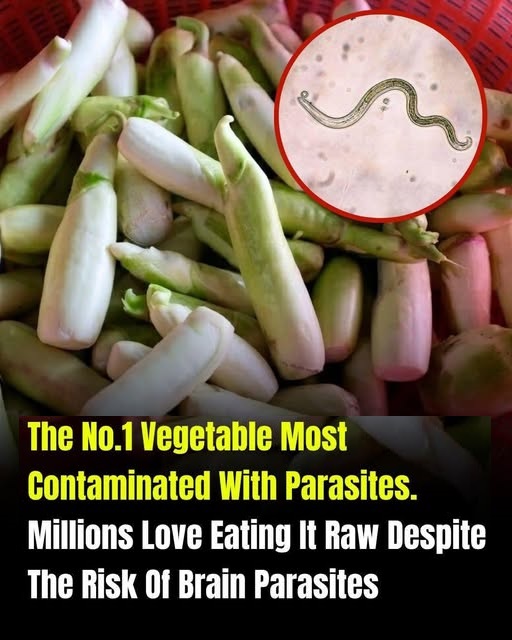
Fresh vegetables are one of the healthiest foods you can add to your daily diet. They provide essential vitamins, minerals, fiber, and antioxidants that support heart health, digestive wellness, and a strong immune system.
However, many people are surprised to learn that some vegetables are also among the foods most commonly linked to foodborne parasites and harmful microorganisms when they are not handled properly.
The good news is that this does not mean you should stop eating vegetables. Instead, understanding which produce carries a higher risk—and learning how to wash and prepare it correctly—can help you continue enjoying fresh greens safely.
If you’ve ever wondered which vegetables deserve extra attention before reaching your plate, here’s what food safety experts recommend.
Why Some Vegetables Carry a Higher Risk
Most vegetables are perfectly safe when grown, handled, transported, and prepared properly.
The challenge is that certain vegetables:
- Grow very close to the soil.
- Have many folds and textured leaves.
- Are usually eaten raw.
- Can be exposed to contaminated irrigation water.
- May come into contact with animals during farming.
Because they are often consumed without cooking, any harmful organisms present may remain unless the produce is cleaned carefully.
This is why proper washing is considered one of the simplest and most effective food safety habits you can practice at home.
Vegetables Most Commonly Associated With Parasite Contamination
Although contamination can occur with many fresh foods, experts often recommend paying extra attention to these vegetables.
1. Leafy Greens
Leafy vegetables remain among the most commonly discussed produce when talking about food safety.
Examples include:
- Lettuce
- Spinach
- Arugula
- Mixed salad greens
- Romaine lettuce
Their layered leaves can trap tiny particles of dirt, making thorough washing especially important.
2. Fresh Herbs
Fresh herbs add incredible flavor, but their delicate leaves can also collect soil and moisture.
Pay close attention to:
- Parsley
- Cilantro
- Mint
- Dill
- Basil
Since many herbs are added raw to meals, cleaning them carefully before use is a smart habit.
3. Sprouts
Sprouts deserve special attention because they grow in warm, moist conditions that may also encourage the growth of microorganisms.
Common examples include:
- Alfalfa sprouts
- Bean sprouts
- Clover sprouts
Many health agencies recommend extra caution with raw sprouts, particularly for older adults, young children, pregnant women, and people with weakened immune systems.
4. Green Onions
Scallions and green onions grow close to the ground, allowing dirt and debris to collect around their outer layers.
Removing damaged outer leaves and washing thoroughly under running water helps reduce unwanted contaminants.
Why Parasites Can Be a Concern
Parasites are microscopic organisms that may enter the body through contaminated food or water.
One parasite frequently discussed in food safety reports is Cyclospora, which has been linked to outbreaks involving fresh produce.
Not every contaminated vegetable contains parasites, and most people who eat fresh vegetables never experience problems.
However, understanding the possibility helps encourage safer food preparation habits.
Possible Symptoms of Foodborne Parasites
Symptoms vary depending on the organism involved and the person’s overall health.
Some common digestive symptoms may include:
- Diarrhea
- Nausea
- Vomiting
- Stomach cramps
- Abdominal discomfort
- Fatigue
- Loss of appetite
- Unexplained weight loss in prolonged cases
Anyone experiencing severe or persistent digestive symptoms should consult a qualified healthcare professional for evaluation.
The Four Golden Rules for Safer Produce
Fortunately, reducing your risk is often simple.
1. Wash Produce Thoroughly
Always rinse fruits and vegetables under clean running water before eating, cutting, or cooking them.
Even produce with peels should be washed first to avoid transferring contaminants from the outside to the inside while slicing.
2. Scrub Firm Vegetables
For vegetables with firm surfaces, use a clean produce brush to remove dirt that may stick to the skin.
This works well for foods like:
- Potatoes
- Carrots
- Cucumbers
- Beets
3. Peel When Appropriate
Peeling vegetables may help remove contaminants that remain on the outer surface.
While peeling isn’t necessary for every vegetable, it can provide an additional layer of protection when appropriate.
4. Cook Thoroughly
Cooking remains one of the most effective ways to reduce many foodborne microorganisms.
Whenever possible, cooking vegetables to an appropriate temperature adds another important level of food safety.
⚠️ Don’t miss the rest! The full article continues on the next page 👇📖
Tap “Next Page” to see all the details, tips, and surprises waiting for you!