Garlic and Its Antimicrobial Benefits: What Research Really Says
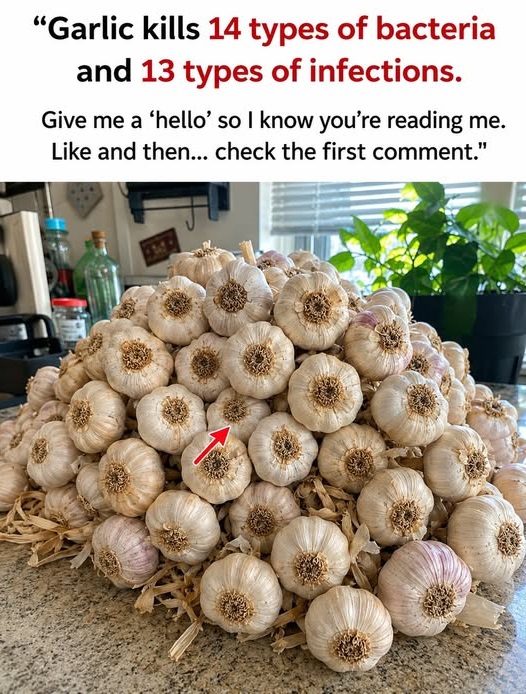
Garlic has earned a reputation as one of nature’s most powerful health-supporting foods. From traditional remedies passed down through generations to modern wellness discussions online, many people believe garlic can help fight harmful bacteria and support the immune system. Recently, viral claims have suggested that garlic can eliminate specific numbers of bacteria and infections, leading many to wonder how much of this is fact and how much is exaggeration.
While some online claims may overstate the evidence, scientific research does suggest that garlic contains unique compounds with impressive biological activity. Understanding what the science actually says can help you make informed decisions about incorporating garlic into a healthy lifestyle.
Why Garlic Has Attracted Scientific Interest
Garlic (Allium sativum) is much more than a flavorful cooking ingredient. Researchers have studied it extensively because it contains naturally occurring sulfur compounds that may contribute to various health-supporting properties.
One of the most important compounds found in garlic is allicin. Interestingly, allicin does not exist in intact garlic cloves. Instead, it forms when garlic is chopped, crushed, or minced. This process activates enzymes that convert naturally occurring substances into allicin, creating the characteristic aroma and many of the biological effects associated with fresh garlic.
Laboratory studies have shown that allicin and related sulfur compounds can interact with a wide range of microorganisms under controlled conditions. These findings are largely responsible for garlic’s reputation as a natural antimicrobial food.
Understanding Garlic’s Active Compounds
Researchers have identified several compounds in garlic that may contribute to its potential health benefits.
Allicin
Allicin is the best-known bioactive compound in fresh garlic. It forms rapidly when garlic is crushed and has been widely studied for its antimicrobial and antioxidant properties in laboratory settings.
Ajoene
Ajoene develops from allicin and has attracted attention for its potential ability to interfere with bacterial communication processes known as quorum sensing, which some microbes use to coordinate behavior.
Other Organosulfur Compounds
Garlic contains a variety of sulfur-containing molecules that contribute to its antioxidant activity and overall health-supporting profile.
Together, these compounds help explain why garlic has remained a valued ingredient in traditional wellness practices across many cultures.
How Garlic May Affect Microorganisms
One reason garlic continues to fascinate scientists is the way its compounds interact with microbial cells.
Research suggests that allicin can interfere with enzymes that microorganisms rely on for survival. Specifically, it may affect sulfur-containing structures that are important for various cellular functions. In laboratory experiments, this interference can disrupt normal bacterial processes such as energy production and protein activity.
While these findings are promising, it is important to understand that laboratory results do not automatically translate into identical effects inside the human body.
What Scientific Studies Have Found
Numerous laboratory studies have examined garlic extracts against common bacteria, including:
- Escherichia coli (E. coli)
- Staphylococcus aureus
- Salmonella species
- Various other microorganisms studied in controlled environments
Many of these studies have reported inhibitory effects, meaning garlic compounds may slow or limit bacterial growth under certain conditions.
However, the frequently repeated claim that garlic specifically destroys “14 types of bacteria and 13 types of infections” does not appear to come directly from established scientific literature. Instead, it is likely a simplified interpretation of broader research findings regarding garlic’s antimicrobial properties.
Human studies remain more limited and often focus on dietary garlic consumption rather than direct antimicrobial effects.
Garlic’s Potential Role in Overall Wellness
Beyond its antimicrobial reputation, garlic has been studied for several other areas of health.
Research has explored garlic’s potential relationship with:
- Cardiovascular health
- Healthy blood pressure support
- Cholesterol management
- Antioxidant protection
- Immune system support
While results vary across studies, many researchers continue to investigate garlic’s role as part of a balanced and healthy diet.
Is Garlic a Miracle Remedy?
The short answer is no.
Although garlic contains impressive compounds and shows encouraging results in laboratory research, no single food can replace professional medical care or serve as a cure-all solution.
The effectiveness of garlic can be influenced by factors such as:
- Freshness
- Preparation methods
- Amount consumed
- Individual health conditions
- Overall diet and lifestyle
Cooking methods also matter because heat can reduce the amount of allicin available in garlic.
For this reason, garlic should be viewed as a supportive dietary ingredient rather than a substitute for medical treatment.
Simple Ways to Add More Garlic to Your Diet
If you’d like to enjoy garlic as part of your daily wellness routine, consider these practical tips.
Crush Before Using
After crushing or chopping garlic, allow it to sit for about 10 minutes before cooking or eating. This helps maximize allicin formation.
Add to Fresh Dishes
Fresh garlic works well in:
- Salad dressings
- Homemade sauces
- Dips
- Marinades
A simple combination of garlic, lemon juice, and olive oil creates a flavorful and nutritious dressing.
Use Gentle Cooking Methods
Roasting garlic creates a sweeter flavor while still preserving some beneficial compounds.
Store Properly
Keep garlic bulbs in a cool, dry, and well-ventilated area to help maintain freshness.
Comparing Different Forms of Garlic
| Form | Advantages | Limitations | Best Use |
|---|---|---|---|
| Fresh Garlic Cloves | Highest allicin potential | Strong flavor, shorter shelf life | Raw dishes and fresh recipes |
| Garlic Powder | Convenient and easy to store | Lower active compound levels | Everyday seasoning |
| Aged Garlic Extract | Standardized and odorless | Processing varies by manufacturer | Supplement users |
| Garlic Oil Infusions | Rich flavor | Requires careful preparation | Culinary applications |
Supporting a Healthy Lifestyle with Garlic
Many people choose garlic not because it is a miracle food, but because it fits naturally into an overall healthy lifestyle.
Combining garlic consumption with:
- Balanced nutrition
- Regular physical activity
- Adequate sleep
- Stress management
- Proper hydration
can help support overall well-being and long-term health goals.
Safety Considerations
For most healthy adults, garlic is generally considered safe when consumed as part of normal meals.
However, some individuals may experience:
- Digestive discomfort
- Heartburn
- Stomach irritation
Garlic may also interact with certain medications, particularly blood-thinning drugs. Individuals who are pregnant, have allergies, or take prescription medications should consult a healthcare professional before significantly increasing garlic intake or using supplements.
Final Thoughts
Garlic remains one of the most fascinating foods studied in both traditional and modern wellness practices. While viral claims about exact numbers of bacteria and infections may not accurately reflect current scientific evidence, research does support the presence of sulfur compounds with notable biological activity.
Adding fresh garlic to your meals is a simple and flavorful way to enjoy its potential benefits while supporting a balanced approach to health and wellness. Like most healthy habits, consistency and moderation are key.
Frequently Asked Questions
Does cooking garlic reduce its effectiveness?
Yes. Heat can reduce the amount of allicin available in garlic. Using garlic raw or adding it near the end of cooking may help preserve more of its active compounds.
Are garlic supplements as effective as fresh garlic?
Supplements such as aged garlic extract have been studied for various health benefits and may offer convenience. However, fresh garlic provides a wider range of naturally occurring nutrients and compounds.
Can garlic be consumed every day?
For most healthy adults, moderate daily consumption of garlic as part of a balanced diet is generally considered safe. If you have medical conditions or take medications, consult a healthcare professional for personalized guidance.
Disclaimer
This article is intended for informational and educational purposes only and should not be considered medical advice. It is not intended to diagnose, treat, cure, or prevent any disease or medical condition. Individual responses may vary. Always consult a qualified healthcare professional before making changes to your diet, supplement regimen, or health routine, especially if you have existing medical conditions or take prescription medications.