Introduction
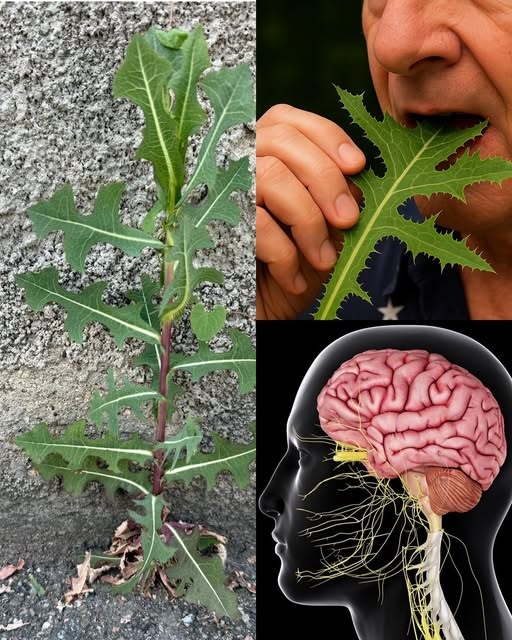
In fields, roadsides, vacant lots, and even backyard gardens, a tall leafy plant often grows unnoticed. Most people recognize it as a common weed and remove it without hesitation. Known scientifically as Lactuca serriola and commonly called prickly lettuce or wild lettuce, this plant has been quietly used for generations as both a traditional food and a valued herbal resource.
Long before grocery stores offered endless varieties of leafy greens, communities relied on local wild plants to supplement their diets. Among these plants was prickly lettuce, appreciated for its distinctive bitter flavor, nutritional value, and traditional wellness uses.
Today, interest in wild edible plants is growing once again as more people look for natural foods, greater dietary diversity, and a deeper connection with traditional knowledge. While prickly lettuce should never be considered a cure for disease or a replacement for professional medical care, its young leaves contain nutrients and plant compounds that continue to attract attention from foragers, herbal enthusiasts, and health-conscious individuals.
Let’s take a closer look at what makes this overlooked wild green so interesting, how it has been used throughout history, and the potential benefits it may offer when enjoyed responsibly.
Understanding Lactuca Serriola
Lactuca serriola belongs to the same botanical family as cultivated lettuce, making it a distant relative of the leafy greens commonly found in supermarkets.
In fact, many botanists consider it one of the ancestors of modern cultivated lettuce varieties.
Unlike garden lettuce, however, prickly lettuce develops a stronger flavor and a firmer texture as it matures. Its natural bitterness is one of the reasons it has long been associated with traditional herbal practices.
The plant is typically identified by:
- Tall upright stems
- Jagged green leaves
- Small yellow flowers
- Milky sap that appears when cut
- Tiny prickles on the underside of leaves
For culinary purposes, younger leaves are generally preferred because they are more tender and considerably less bitter than mature growth.
A Long History of Traditional Use
For centuries, wild greens played an important role in daily nutrition.
Many traditional cultures viewed bitter plants as valuable additions to the diet and often consumed them to support digestion and general wellness.
Prickly lettuce earned a place among these respected plants. Historical herbal traditions frequently associated it with calming properties and digestive support. While modern research continues exploring these traditional uses, its long-standing reputation demonstrates how widely it was valued across generations.
The plant’s survival in traditional food practices reflects practical knowledge passed down through families and communities long before modern nutrition science existed.
Nutrients Found in Young Prickly Lettuce Leaves
Like many leafy vegetables, young prickly lettuce leaves provide a range of nutrients that can contribute to a healthy eating pattern.
Depending on growing conditions and maturity, the leaves may contain:
- Vitamin A
- Vitamin C
- Vitamin K
- Potassium
- Calcium
- Magnesium
- Dietary fiber
- Antioxidant compounds
Although nutrient levels vary naturally, these components help explain why the plant has remained part of traditional diets for so long.
Including a variety of leafy greens in the diet is widely recognized as a beneficial habit for overall health and wellness.
1. Traditionally Associated With Relaxation
One of the most well-known traditional uses of prickly lettuce involves its reputation for promoting calmness.
The plant naturally contains compounds such as lactucin and lactucopicrin, substances that have drawn interest from researchers studying their potential effects on the nervous system.
Historically, herbal practitioners often described prickly lettuce as a soothing plant that supported relaxation and emotional balance.
People who enjoy preparations made from the plant frequently describe a gentle sense of calm and comfort.
It’s important to remember that consuming the leaves as food provides much smaller amounts of these compounds than concentrated extracts. Even so, the plant’s traditional connection to relaxation remains one of its most fascinating characteristics.
2. May Support Healthy Digestion
Bitter greens have long been appreciated for their potential role in digestive wellness.
The naturally bitter taste of young prickly lettuce leaves may help stimulate digestive activity and encourage the production of digestive juices.
Many traditional food cultures intentionally include bitter foods as part of meals because they are believed to support comfortable digestion.
Potential digestive benefits associated with bitter greens include:
- Supporting appetite regulation
- Encouraging digestive function
- Helping reduce feelings of heaviness after eating
- Promoting digestive balance
While experiences vary from person to person, the long-standing use of bitter greens continues to make them popular among those interested in natural nutrition.
3. Offers Valuable Antioxidant Compounds
Plants produce antioxidants as part of their natural defense systems.
When humans consume antioxidant-rich foods, these compounds contribute to the body’s ability to manage oxidative stress.
Prickly lettuce contains naturally occurring plant chemicals such as flavonoids and polyphenols that contribute to its antioxidant content.
Antioxidants are widely studied for their role in supporting:
- Cellular health
- Healthy aging
- Skin wellness
- General well-being
No single food can prevent disease, but diets rich in colorful plant foods and leafy greens are consistently associated with better overall health outcomes.
4. A Low-Calorie, Nutrient-Dense Food
One of the biggest advantages of leafy greens is their ability to provide nutrients without adding many calories.
Young prickly lettuce leaves offer:
- Low calorie content
- Beneficial fiber
- Vitamins and minerals
- Natural plant compounds
This combination makes them attractive for people seeking nutrient-rich foods that fit easily into balanced eating plans.
Fiber-rich foods can also contribute to feelings of fullness, helping support mindful eating habits.
For this reason, many foragers enjoy incorporating young prickly lettuce leaves into salads and vegetable dishes.
5. Traditionally Linked to Better Rest
Another traditional use frequently associated with prickly lettuce involves sleep and relaxation.
For generations, herbal traditions have connected the plant with evening calmness and restful routines.
Although modern scientific evidence remains limited, the plant’s historical reputation has persisted across many cultures.
Many traditional users consumed preparations made from prickly lettuce before bedtime as part of relaxation rituals.
While eating the leaves is not equivalent to using concentrated herbal preparations, the plant’s longstanding connection to restfulness continues to attract interest today.
6. Supports a Healthy Inflammatory Response
Maintaining balanced inflammatory processes is an important part of overall wellness.
Many leafy greens contain plant compounds that help support the body’s natural defenses, and prickly lettuce is no exception.
Its combination of antioxidants and naturally occurring phytochemicals contributes to its nutritional value.
When combined with other nutrient-rich vegetables, wild greens may play a supportive role within a healthy, plant-focused dietary pattern.
7. Contributes to Heart-Friendly Nutrition
Nutrition experts consistently recommend consuming more vegetables as part of a heart-conscious lifestyle.
Young prickly lettuce leaves provide several nutrients commonly associated with cardiovascular wellness, including:
- Potassium
- Fiber
- Magnesium
- Antioxidants
Potassium helps support normal blood pressure regulation, while fiber contributes to overall cardiovascular health.
Although no single food determines heart health, leafy greens remain an important component of balanced nutrition plans.
8. Encourages Greater Dietary Variety
Modern diets often rely on a relatively small selection of foods.
Wild edible plants offer an opportunity to expand dietary diversity and introduce new flavors, nutrients, and beneficial compounds into everyday meals.
Adding safely identified prickly lettuce leaves to your diet can provide:
- New nutritional sources
- Unique flavors
- Additional plant compounds
- Greater variety in meals
Many nutrition professionals believe dietary diversity plays an important role in supporting overall wellness.
Safe Ways to Enjoy Prickly Lettuce
Anyone interested in eating wild plants should prioritize proper identification above all else.
Never consume a wild plant unless you are completely certain of what it is.
Harvest Young Leaves
The youngest leaves are usually the most desirable because they are:
- More tender
- Less bitter
- Easier to enjoy
Older leaves tend to become tougher and significantly more bitter.
Start With Small Portions
When trying any wild edible plant for the first time, begin with a small amount.
This allows you to observe how your body responds.
Reduce Bitterness if Desired
Some people enjoy bitter flavors naturally.
Others prefer blanching the leaves briefly in hot water before eating them.
This can help soften the taste while maintaining much of the plant’s nutritional value.
Add to Familiar Recipes
Young prickly lettuce leaves can be incorporated into:
- Mixed salads
- Sandwiches
- Smoothies
- Vegetable dishes
- Light sautés
Combining them with milder greens often creates a more balanced and enjoyable flavor.
Who Should Use Extra Caution?
Although prickly lettuce has a history of traditional use as a food, certain individuals should speak with a healthcare professional before consuming it.
This includes:
- Pregnant individuals
- Breastfeeding mothers
- People with allergies to lettuce or related plants
- Individuals using sedative medications
- Anyone managing chronic health conditions
As with any wild plant, individual responses may vary.
Common Myths About Prickly Lettuce
As interest in natural remedies grows, exaggerated claims often spread online.
It is important to separate traditional use from unsupported promises.
Prickly lettuce is not:
- A miracle cure
- A substitute for medical treatment
- A guaranteed sleep aid
- A replacement for prescribed medications
Instead, it should be appreciated for what it truly is: a historically valued wild green with interesting nutritional and botanical qualities.
Why Wild Edible Plants Are Becoming Popular Again
Interest in plants like prickly lettuce reflects a broader movement toward natural living and traditional food knowledge.
Many people are exploring wild foods because they offer:
- Greater dietary diversity
- Sustainable food options
- Connections to nature
- Traditional culinary practices
- Opportunities for learning and exploration
Responsible foraging, proper identification, and moderation remain essential for anyone interested in incorporating wild plants into their lifestyle.
Final Thoughts
Lactuca serriola, commonly known as prickly lettuce, is far more interesting than its reputation as a roadside weed might suggest. With a long history of traditional use, a valuable nutritional profile, and a unique place in herbal folklore, this overlooked plant continues to attract curiosity from foragers and wellness enthusiasts alike.
Its young leaves provide vitamins, minerals, fiber, antioxidants, and a distinctive bitter flavor that can add variety to a healthy diet. While many traditional claims still require additional scientific investigation, its role as a nutrient-rich wild green is already well established.
When harvested responsibly, identified correctly, and consumed in moderation, prickly lettuce offers a fascinating example of how nature often hides valuable resources in the most unexpected places.
The next time you notice this tall wild plant growing along a field or roadside, you may no longer see just another weed—you may see a remarkable piece of traditional food wisdom that has quietly survived through generations.