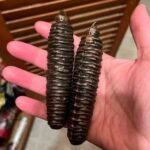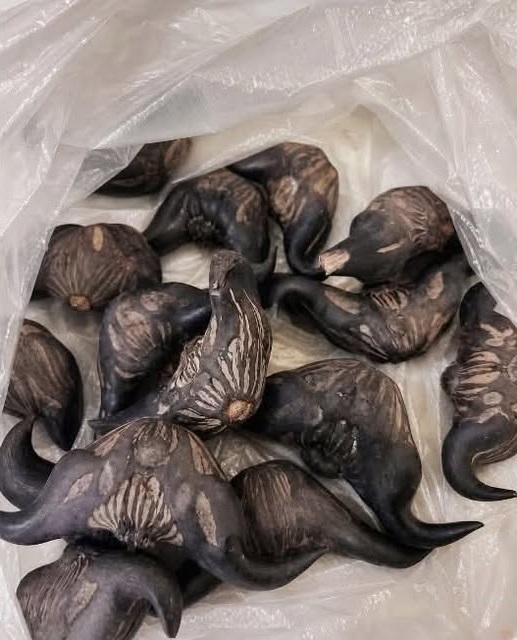
Have you ever opened a bag from a neighbor and found a collection of dark, horned fruits that looked more like tiny creatures than something you would put on your dinner table?
At first glance, these unusual aquatic fruits can certainly look intimidating. Their hard, dark shells and sharp projections make them seem almost prehistoric. But beneath that unusual exterior is an edible, starchy seed that has been enjoyed in parts of Asia and Europe for centuries.
These fascinating foods are called water caltrops, and they have a long culinary and cultural history. If you’ve never seen one before, here’s what you need to know about identifying, preparing, and enjoying them as part of a healthy and balanced diet.
What Are Water Caltrops?
Water caltrops are the fruits of aquatic plants belonging to the genus Trapa. Depending on the species and region, they may be called water caltrop, water chestnut, buffalo nut, singhara, or other local names.
One important distinction is worth making: water caltrops are not the same plant as the familiar Chinese water chestnut (Eleocharis dulcis). The two foods are sometimes confused because of their similar common names, but they come from completely different plants.
The water caltrop grows in freshwater environments, with its leaves floating on or near the surface. The fruit develops underwater and has a remarkably hard shell with distinctive horn-like projections.
What Do Water Caltrops Look Like?
⚠️ Don’t miss the rest! The full article continues on the next page 👇📖
Tap “Next Page” to see all the details, tips, and surprises waiting for you!