Introduction
Some foods have fascinated both traditional healers and modern scientists for centuries, not only because of their nutritional value, but also because of their unusual resemblance to the parts of the body they may benefit. One of the most striking examples is the walnut.
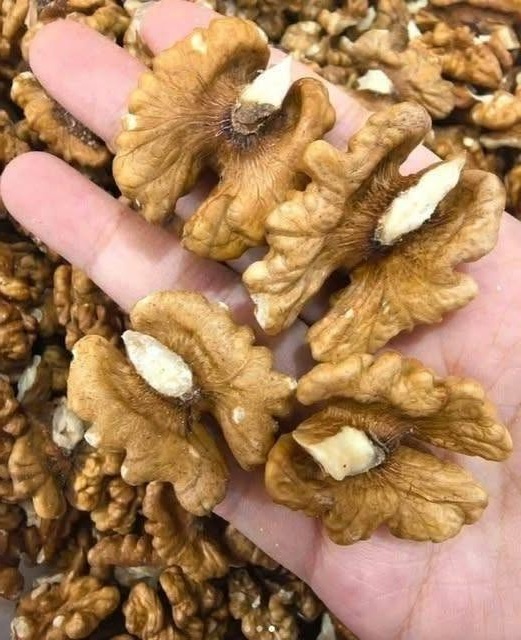
With its wrinkled, folded surface, the walnut closely resembles the human brain. This resemblance inspired ancient beliefs known as the “Doctrine of Signatures,” which suggested that natural foods resembling body parts might support their health. While this idea was once purely symbolic, modern nutritional science now shows that walnuts truly contain powerful compounds that support brain function, memory, and overall cognitive performance.
Today, walnuts are widely recognized in clinical nutrition and cognitive health research as one of the most beneficial nuts for brain and heart health.
Why Walnuts Are Considered a Brain Superfood
Walnuts stand out from other nuts due to their unique combination of healthy fats, antioxidants, and plant compounds that directly support brain structure and function.
Unlike most nuts, walnuts are particularly rich in omega-3 fatty acids, antioxidants, and polyphenols, which play an essential role in maintaining neurological health and protecting brain cells from damage.
🧠 1. Rich Source of Plant-Based Omega-3 Fatty Acids
Walnuts are one of the best plant-based sources of alpha-linolenic acid (ALA), a type of omega-3 fatty acid.
These essential fats are important because they:
- Help build and maintain brain cell membranes
- Support communication between brain cells
- Reduce inflammation in neural tissues
- Support long-term cognitive health
Just one ounce (about 7 walnut halves) contains approximately 2.5 grams of ALA, which is close to the recommended daily intake for many adults.
This makes walnuts especially valuable for people who do not consume fish or other animal-based omega-3 sources.
🧪 2. Extremely High Antioxidant Content
Walnuts are considered one of the most antioxidant-rich nuts available.
They contain:
- Polyphenols
- Vitamin E
- Melatonin (in small amounts)
These compounds help protect brain cells from oxidative stress, a major factor linked to brain aging and cognitive decline.
Oxidative stress can damage neurons over time, but antioxidants help neutralize harmful free radicals, supporting long-term brain protection.
Among commonly consumed nuts, walnuts consistently rank among the highest in total antioxidant activity.
🧠 3. Support for the Gut-Brain Connection
Modern research shows a strong link between gut health and brain function, known as the gut-brain axis.
Walnuts help support this system by:
- Feeding beneficial gut bacteria
- Improving microbiome diversity
- Supporting the production of brain-related neurotransmitters
A healthier gut environment is linked to:
- Better mood regulation
- Improved focus and mental clarity
- Reduced mental fatigue
This makes walnuts not just a brain food, but also a digestive and mental wellness food.
🧠 4. Cognitive Performance and Memory Support
Several nutritional studies have associated regular walnut consumption with improved brain function, especially in aging populations.
Research observations suggest that people who eat walnuts regularly may experience:
- Better memory performance
- Improved processing speed
- Stronger reasoning ability
- Enhanced focus and attention
While walnuts are not a medical treatment, they are considered a valuable part of a brain-healthy diet pattern, especially when combined with vegetables, fruits, and healthy fats.
❤️ Whole-Body Health Benefits of Walnuts
Although walnuts are best known for brain support, their benefits extend throughout the entire body.
🫀 Heart Health Support
Walnuts may help:
- Lower LDL (bad cholesterol)
- Support healthy blood pressure
- Improve overall cardiovascular function
🔥 Anti-Inflammatory Properties
Walnuts contain compounds that help reduce chronic inflammation, which is linked to many long-term health conditions.
🍬 Blood Sugar Balance
Some studies suggest walnuts may help support stable blood sugar levels and improve insulin sensitivity.
🧬 Longevity Support
Regular nut consumption, including walnuts, is associated in large studies with improved long-term health outcomes and reduced mortality risk.
🥜 How to Eat Walnuts for Maximum Benefits
The ideal daily intake is:
👉 1 ounce per day (about 7 walnut halves)
Simple ways to include walnuts in your diet:
- Add to oatmeal or breakfast bowls
- Mix into yogurt with fruit
- Sprinkle over salads or roasted vegetables
- Blend into smoothies
- Use in baking (bread, muffins, energy bars)
🔥 Should You Toast Walnuts?
Light toasting can enhance flavor, but high heat may reduce some of their delicate healthy fats. If possible, use raw or lightly toasted walnuts.
🧊 Storage Tip
Because walnuts contain natural oils, they can go rancid if stored improperly. Keep them in:
- Airtight containers
- Refrigerator or freezer for longer freshness
⚖️ Moderation and Safety
Walnuts are extremely nutritious, but they are also calorie-dense.
Important considerations:
- Stick to recommended portion sizes
- Avoid if you have tree nut allergies
- Consult a healthcare provider if you follow a restricted diet
🧠 The Science-Backed Bottom Line
Walnuts are one of the rare foods where traditional symbolism and modern science align. Their brain-like appearance may have inspired ancient beliefs, but today we understand the real reason behind their reputation: a powerful combination of omega-3 fatty acids, antioxidants, and gut-supporting compounds.
Incorporating walnuts into a balanced diet may support brain function, heart health, and overall wellness over time. While they are not a miracle cure, they are a simple, affordable, and highly nutritious addition to a healthy lifestyle.
Sometimes, the best nutrition advice is also the simplest: small daily habits can create long-term benefits for both the body and the mind.
⚠️ Disclaimer
This article is for informational purposes only and does not replace professional medical advice. Always consult a qualified healthcare provider before making dietary changes, especially if you have allergies, medical conditions, or specific nutritional needs