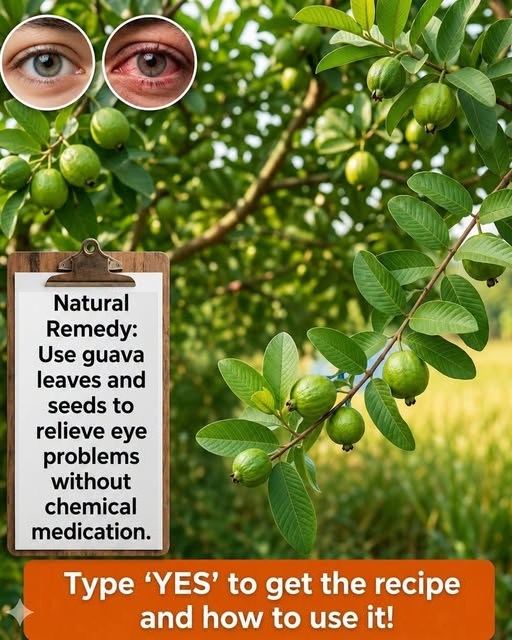
Social media is filled with eye-catching claims that guava leaves can restore vision, eliminate eye pain, reduce fatigue, and even replace medications. Some posts encourage people to apply homemade guava leaf remedies around the eyes, while others promise dramatic improvements after drinking guava tea or eating the fruit regularly.
The truth is far more balanced—and much more useful.
Guava is an incredibly nutritious fruit packed with vitamin C, antioxidants, fiber, and small amounts of vitamin A–related compounds, all of which contribute to overall health. These nutrients can support the body’s normal functions, including those involved in maintaining healthy eyes. However, there is currently no strong scientific evidence that guava can cure eye diseases, restore eyesight, or replace professional eye care.
Understanding what guava can—and cannot—do helps you make informed choices about your health while avoiding misleading online claims.
Why Guava Has Become Popular for Eye Health
Interest in natural foods that support healthy vision continues to grow.
Many people spend long hours looking at:
- Computer screens
- Smartphones
- Tablets
- Television
- Digital devices
Combined with aging, these habits can contribute to tired, dry, or strained eyes.
As a result, fruits rich in vitamins and antioxidants—such as guava—have attracted attention as part of a healthy diet that supports overall wellness.
The important point is this:
Supporting eye health through good nutrition is very different from claiming a food can treat eye disease.
What Makes Guava So Nutritious?
Guava is considered one of the most nutrient-dense tropical fruits.
It naturally contains:
- Vitamin C
- Dietary fiber
- Potassium
- Folate
- Antioxidants
- Small amounts of vitamin A–related carotenoids (depending on the variety)
These nutrients work together to support many normal body functions, including immune health, tissue maintenance, and protection against oxidative stress.
Rather than acting as a miracle cure, guava contributes to a balanced diet that benefits overall health.
Vitamin A and Healthy Vision
One reason guava is discussed in relation to eye health is its content of carotenoids, which the body can convert into vitamin A to varying degrees depending on the type of guava.
Vitamin A plays several essential roles, including supporting:
- Normal vision
- Healthy retinal function
- Adaptation to low-light conditions
- Maintenance of the eye’s surface
A deficiency in vitamin A can lead to serious vision problems.
Fortunately, most people who eat a varied, balanced diet obtain enough vitamin A from many different foods, including leafy greens, carrots, sweet potatoes, eggs, dairy products, and certain fruits.
Guava can contribute to that healthy dietary pattern—but it is only one piece of the puzzle.
Why Vitamin C Matters for Eye Health
One nutrient that truly stands out in guava is vitamin C.
In fact, guava often contains even more vitamin C than many citrus fruits.
Vitamin C helps support:
- Normal collagen production
- Healthy connective tissues
- Blood vessel integrity
- Immune system function
- Antioxidant protection
Healthy blood vessels are important because they help deliver oxygen and nutrients throughout the body, including to tissues that support normal eye function.
Although vitamin C is associated with overall eye health, eating more vitamin C alone has not been proven to improve eyesight or reverse eye diseases.
The Role of Antioxidants
Every day, your body produces molecules known as free radicals as part of normal metabolism.
Environmental factors such as:
- UV sunlight
- Air pollution
- Smoking
- Poor diet
- Aging
can increase oxidative stress.
Guava provides several antioxidant compounds that help protect cells from oxidative damage.
Researchers believe diets rich in colorful fruits and vegetables may contribute to healthy aging by supporting the body’s natural defense systems.
However, no single antioxidant—or single fruit—can prevent every eye condition.
Can Eating Guava Improve Vision?
This is one of the most common questions online.
Current scientific evidence says:
There is no strong proof that eating guava can improve eyesight, reverse blurry vision, eliminate the need for glasses, or treat eye diseases.
What guava can do is provide nutrients that help support your body’s normal functions as part of a healthy eating pattern.
Good vision depends on many factors, including:
- Genetics
- Age
- Overall nutrition
- Blood sugar control
- Blood pressure
- Regular eye care
- Protection from UV light
Nutrition is important—but it’s only one part of maintaining healthy eyes.
Coming in Part 2
In Part 2, we’ll cover:
- The truth about guava leaf remedies for the eyes
- Whether homemade guava leaf compresses are safe
- Evidence-based ways to support healthy vision
- Foods that naturally contain eye-supporting nutrients
- Lifestyle habits that protect your eyesight
- Frequently asked questions
⚠️ Don’t miss the rest! The full article continues on the next page 👇📖
Tap “Next Page” to see all the details, tips, and surprises waiting for you!