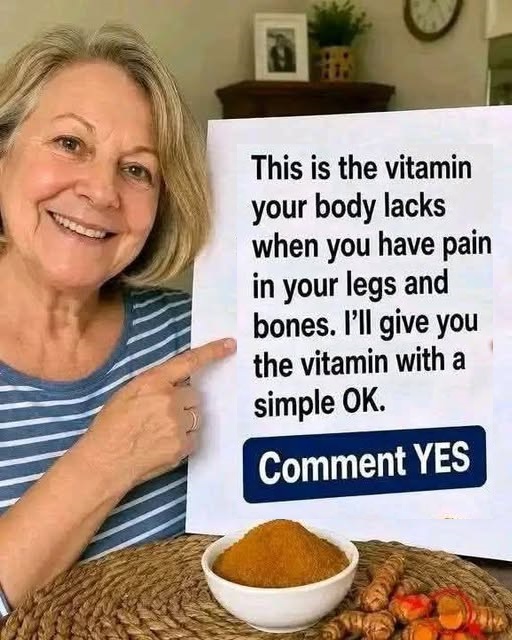
Have you ever stood up after sitting for a while and noticed aching legs, sore bones, or muscles that simply don’t feel as strong as they used to? Many adults experience these symptoms from time to time, especially as they get older. While occasional discomfort can happen for many reasons, nutritional deficiencies are sometimes part of the picture.
One nutrient that frequently receives attention is vitamin D. Often called the “sunshine vitamin,” vitamin D plays an essential role in bone strength, muscle function, and overall wellness. Low levels may contribute to muscle weakness or bone discomfort in some individuals, although they are far from the only possible explanation.
Before assuming that one vitamin is responsible for your symptoms, it’s important to understand how nutrition, lifestyle, preventive healthcare, and proper medical evaluation work together to support long-term health.
In this guide, you’ll learn why vitamin D is so important, which other nutrients help keep bones healthy, and what practical steps may support healthy aging and everyday mobility.
Why Healthy Bones Matter at Every Age
Strong bones do much more than support your body. They protect vital organs, store important minerals, and allow you to stay active throughout life.
As people age, maintaining bone health becomes increasingly important because natural changes can affect bone density, muscle strength, and balance. These changes may increase the likelihood of discomfort or injuries if healthy lifestyle habits are not maintained.
Supporting bone health involves several factors working together, including:
- Balanced nutrition
- Regular weight-bearing exercise
- Adequate vitamin intake
- Healthy body weight management
- Routine preventive healthcare
- Regular medical checkups
No single nutrient can guarantee healthy bones, but each plays an important role.
Why Vitamin D Gets So Much Attention
Vitamin D is one of the most researched nutrients related to bone health.
Its primary job is helping the body absorb calcium efficiently. Without enough vitamin D, the body cannot use calcium as effectively, even when your diet contains plenty of it.
Vitamin D also supports:
- Normal muscle function
- Healthy immune support
- Bone mineralization
- Healthy aging
- Overall wellness
Because of these important roles, healthcare providers often check vitamin D levels when evaluating certain bone or muscle concerns.
Could Low Vitamin D Be Linked to Leg or Bone Discomfort?
Vitamin D deficiency doesn’t always cause noticeable symptoms. However, when levels become significantly low, some people may experience:
Bone Discomfort
Some individuals report aching bones or tenderness, particularly in the hips, ribs, lower back, or legs.
Muscle Weakness
Weak muscles may make climbing stairs, standing from a chair, or maintaining balance more challenging.
Fatigue
Feeling unusually tired despite getting enough sleep can have many possible causes, including nutritional deficiencies that should be evaluated by a healthcare provider.
Increased Risk of Falls
Healthy muscles and strong bones work together to support stability, especially in older adults.
These symptoms are not unique to vitamin D deficiency. Many medical conditions can produce similar signs, making professional medical consultation important.
Who May Be More Likely to Have Low Vitamin D?
Certain groups have a greater likelihood of developing lower vitamin D levels.
Risk factors may include:
Spending Little Time Outdoors
Since sunlight helps the body produce vitamin D, limited outdoor exposure may reduce natural production.
Older Adults
The skin becomes less efficient at producing vitamin D with age, making healthy aging strategies even more important.
Darker Skin Tones
Higher amounts of melanin naturally reduce vitamin D production from sunlight.
Limited Dietary Intake
People who consume very little vitamin D-rich food may not meet their daily needs.
Certain Medical Conditions
Some digestive disorders and other health conditions may affect nutrient absorption.
Your healthcare provider can determine whether testing is appropriate based on your personal medical history.
Vitamin D Is Only One Part of Healthy Bones
Although vitamin D receives much of the attention, several other nutrients work alongside it.
Healthy bones depend on an overall nutrition plan rather than one “magic” vitamin.
Calcium
Calcium forms much of the structure that gives bones their strength.
Without enough calcium, bones may gradually lose density over time.
Good food sources include:
- Milk
- Yogurt
- Cheese
- Sardines
- Fortified plant-based beverages
- Leafy green vegetables
Vitamin D helps the body absorb this important mineral more efficiently.
Magnesium
Magnesium contributes to hundreds of body functions, including muscle contractions, nerve communication, and bone health.
Many adults consume less magnesium than recommended.
Magnesium-rich foods include:
- Almonds
- Pumpkin seeds
- Black beans
- Oats
- Whole grains
- Spinach
Together with vitamin D and calcium, magnesium supports normal muscle and bone function as part of a balanced diet.
Vitamin K
Vitamin K contributes to normal bone metabolism and works alongside other nutrients involved in maintaining bone strength.
Foods naturally rich in vitamin K include:
- Kale
- Spinach
- Broccoli
- Brussels sprouts
- Swiss chard
Eating a colorful variety of vegetables helps provide multiple vitamins and antioxidants that support overall wellness.
Why a Balanced Diet Matters More Than One Supplement
Many viral social media posts suggest that taking a single supplement can solve every health concern.
In reality, bone health depends on a combination of healthy habits.
A balanced diet rich in:
- Fruits
- Vegetables
- Lean proteins
- Healthy fats
- Whole grains
- Dairy or fortified alternatives
provides a wide range of vitamins, minerals, antioxidants, and nutrients that work together to support cardiovascular health, digestive health, immune support, healthy weight management, and long-term wellness.
Supplements may be helpful for some people, but they should ideally be used under the guidance of a healthcare provider after appropriate medical evaluation.
Coming Up in Part 2…
Now that you understand why vitamin D and other nutrients matter, the next step is learning how to get enough of them naturally. In Part 2, you’ll discover the best food sources of vitamin D, simple lifestyle habits that support healthy bones, an easy turmeric golden milk recipe, answers to common questions, when to seek medical care, and practical tips for maintaining bone health throughout every stage of healthy aging.
⚠️ Don’t miss the rest! The full article continues on the next page 👇📖
Tap “Next Page” to see all the details, tips, and surprises waiting for you!