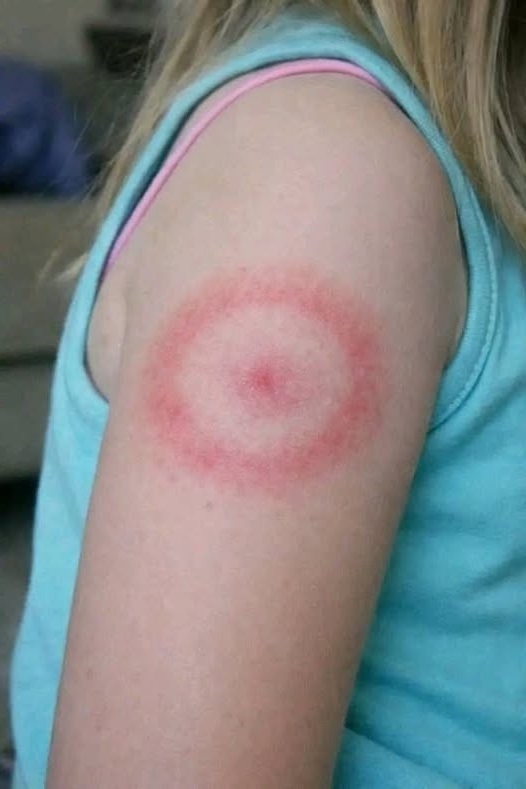
It was early on a quiet morning when I noticed something unusual on my daughter’s arm. At first glance, it looked like a perfectly round red ring. It wasn’t raised, she wasn’t scratching it, and she insisted it didn’t hurt. Still, my heart immediately started racing.
Like many parents, my mind jumped to the worst possible conclusions. Was it an allergic reaction? A dangerous infection? Could it be Lyme disease? Should I rush her to the emergency room?
If you’ve ever spotted a strange circular rash on your child’s skin, you’re certainly not alone. Ring-shaped rashes often look alarming, especially when they seem to spread over time. Fortunately, most of them are not medical emergencies. Many have straightforward explanations and respond well to simple treatment once properly diagnosed.
The most important first step is not to panic. Instead, take a careful look at the rash and monitor any changes while arranging appropriate medical advice if needed.
Why Ring-Shaped Rashes Can Look So Scary
Circular rashes naturally grab our attention because they don’t resemble the everyday scrapes, bug bites, or bruises children commonly get. When the center appears lighter while the outer edge becomes redder, the rash may resemble a bullseye, making parents immediately worry after searching online.
However, appearance alone cannot tell you exactly what the rash is. Several completely different skin conditions can produce a similar ring-like pattern.
Some are caused by fungal infections, others by irritation, insect bites, or bacterial illnesses. The key is paying attention to the overall picture rather than focusing only on the shape.
Before You Panic: Start With Calm Observation
Instead of assuming the worst, spend a few minutes gathering useful information.
Ask yourself:
- Is the rash getting larger?
- Does it itch?
- Is it painful?
- Does the center look lighter than the outside?
- Is the skin warm to the touch?
- Is your child acting normally?
- Has your child developed fever, fatigue, headaches, or body aches?
- Are additional spots appearing elsewhere?
These observations are far more valuable to your healthcare provider than simply saying, “My child has a rash.”
A Helpful Tip Every Parent Should Know
One simple trick many pediatricians recommend is taking clear photos.
Take one picture as soon as you notice the rash. Then use a washable pen to lightly mark the outer border of the redness on the skin. Take another photo several hours later.
This allows you—and your doctor—to see whether the rash is actually expanding or simply appearing different under changing light.
Tracking the rash over time often provides important clues during diagnosis.
Could It Be Lyme Disease?
One condition many parents immediately think about is Lyme disease.
The classic Lyme rash, called erythema migrans, usually begins as a small red patch where an infected tick has attached. Over several days, it slowly expands and may develop a lighter center, creating the familiar bullseye appearance.
Unlike many other rashes, this one is often:
- Not very itchy
- Usually not painful
- Warm to the touch
- Slowly expanding over several days
Recent outdoor activities matter.
Think about whether your child recently:
- Played in tall grass
- Went hiking
- Camped outdoors
- Visited wooded areas
- Played in parks where ticks are common
It’s also important to remember that many parents never actually see the tick because young ticks can be extremely tiny.
Important Reminder
A bullseye rash does not automatically mean Lyme disease, and Lyme disease does not always produce the classic bullseye pattern.
If your child develops an expanding ring-shaped rash after possible tick exposure, it’s wise to contact your pediatrician promptly. Early diagnosis and treatment are highly effective and can help prevent more serious complications.
Other Common Causes of Ring-Shaped Rashes
Fortunately, Lyme disease is far from the only explanation.
Several everyday skin conditions can create circular or ring-like rashes in children.
Ringworm (Tinea Corporis)
Despite its name, ringworm isn’t caused by worms at all.
It’s a common fungal skin infection that typically produces:
- A circular rash
- Raised red edges
- A clearer center
- Dry or flaky skin
- Noticeable itching
Ringworm usually responds well to antifungal creams prescribed by a healthcare provider or recommended by a pharmacist.
Pityriasis Rosea
Another harmless possibility is pityriasis rosea.
It often begins with one larger oval patch before several smaller spots appear across the body.
Although its appearance can worry parents, this condition usually resolves on its own within several weeks without causing long-term problems.
Insect Bites and Mild Allergic Reactions
Sometimes an insect bite can trigger a circular area of redness as the immune system reacts.
These rashes may appear:
- Slightly raised
- Mildly itchy
- Warm
- Localized around one area
Most improve gradually with basic skin care and observation.
Contact Dermatitis
Children frequently develop skin irritation after exposure to something new.
Possible triggers include:
- Plants
- Soaps
- Laundry detergents
- New clothing
- Jewelry
- Cleaning products
The resulting rash can occasionally appear circular, depending on how the skin contacted the irritant.
(Part 2 continues with emergency warning signs, when to call your pediatrician,
⚠️ Don’t miss the rest! The full article continues on the next page 👇📖
Tap “Next Page” to see all the details, tips, and surprises waiting for you!